

Registering a car in California is not merely a bureaucratic task but a crucial step for any new vehicle owner. It ensures roadworthiness, safety, and legal compliance. However, navigating the process can be daunting, especially with evolving regulations. This comprehensive guide aims to demystify the procedures, offering expert insights on how to register your vehicle seamlessly. We’ll walk you through every step, from gathering essential documents to utilizing reliable tools like the DMV VIN verifier, ensuring a stress-free experience.
- Prepare Necessary Documents for Car Registration
- Gather Vehicle Information: VIN Verification at DMV
- Meet Eligibility Requirements: Residency & Insurance
- Complete the Registration Process Online or In-Person
- Receive Your California Vehicle Registration & Plates
Prepare Necessary Documents for Car Registration

Before you can register your car in California, you’ll need to ensure all required documents are prepared accurately and completely. The process begins with gathering essential paperwork, including proof of ownership, vehicle identification number (VIN) inspection results from a trusted source like a DMV VIN verifier or mobile VIN inspector, insurance information, and an odometer reading. It’s crucial to obtain a clear and accurate VIN through professional channels; this unique identifier plays a vital role in establishing the vehicle’s history.
One of the primary documents required is a completed California Vehicle Registration Application form. This form asks for detailed vehicle specifications, owner information, and other pertinent data. Alongside this, you’ll need a valid driver’s license or state ID card as well as proof of insurance that meets California’s minimum requirements. For vehicles over 15 years old, an odometer reading is mandatory to ensure accurate registration.
Additionally, many Californians opt for a mobile VIN inspection service to streamline the preparation process. These services send a specialist to your location to conduct a thorough VIN inspection and provide you with a detailed report. This approach saves time compared to visiting a traditional DMV office. With these documents in hand, you’re well on your way to successfully registering your vehicle in California.
Gather Vehicle Information: VIN Verification at DMV

To register your car in California, you must first gather essential vehicle information, including your Vehicle Identification Number (VIN). The DMV requires this unique 17-character code to verify ownership and ensure the car’s history is accurately documented. This process involves a meticulous VIN verification, which can be completed at any California Department of Motor Vehicles (DMV) office or through their online services.
A crucial step in this verification process is ensuring the VIN is legitimate and matches the vehicle you intend to register. This is where mobile VIN inspection and verification come into play. Many third-party services offer mobile VIN verifier tools that can cross-reference the provided VIN with national databases, such as those maintained by the National Motor Vehicle Title Information System (NMVTIS). These mobile applications provide a convenient, efficient way to conduct this critical check, allowing you to identify any potential issues or discrepancies before proceeding with registration.
For instance, some mobile VIN verifiers offer real-time data access, displaying details like previous owners, accident history, and outstanding liens. This proactive approach not only saves time but also helps protect against fraud and unexpected complications. By utilizing these modern tools, you can streamline the DMV VIN verifier process, ensuring a smoother registration experience for your California vehicle.
Meet Eligibility Requirements: Residency & Insurance
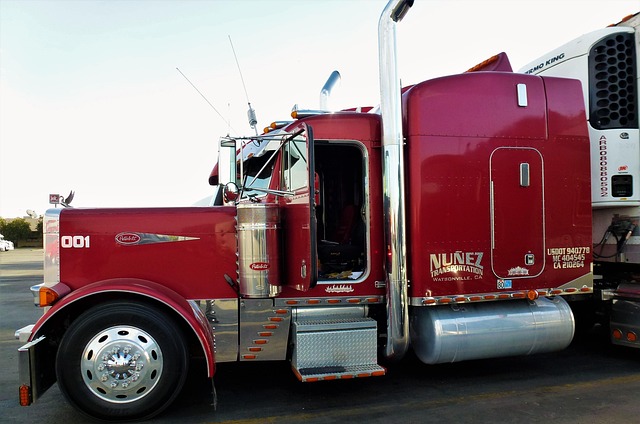
Before registering your car in California, it’s crucial to meet two key eligibility requirements: residency and insurance. For residency, you must be a California resident or have a valid California driver’s license and establish a permanent address within the state. Proof of residency can include utility bills, lease agreements, or bank statements showing your California address. The California Department of Motor Vehicles (DMV) recommends providing original documents to avoid delays in the registration process.
Insurance is another essential aspect, as California law requires all vehicle owners to have liability insurance or a proof of self-insurance. This coverage protects you and other drivers on the road in case of an accident. When purchasing insurance, ensure that the policy meets the state’s minimum requirements for bodily injury and property damage liability. You can verify the necessary coverage amounts using the DMV’s online resources or by consulting with an insurance agent.
For added convenience, consider utilizing a mobile vin inspection or mobile vin verification service. These services allow you to obtain a vehicle history report and validate the car’s identity using the unique 17-character Vehicle Identification Number (VIN). This is particularly beneficial when purchasing a used car, as it helps ensure that the vehicle matches the described condition and minimizes the risk of fraud. By combining these measures—meeting residency requirements, securing proper insurance, and employing modern tools like mobile vin inspection—you can confidently navigate the registration process, ensuring your vehicle complies with California’s regulations.
Complete the Registration Process Online or In-Person

Registering a car in California involves several crucial steps, and you have the option to complete the process online or in person at a DMV (Department of Motor Vehicles) office. Online registration offers convenience and speed, while in-person visits provide an opportunity for immediate clarification on requirements. Regardless of your chosen method, ensuring accurate information is paramount. A key aspect to focus on during registration is verifying the Vehicle Identification Number (VIN). Using a reliable VIN inspection tool like a DMV VIN verifier or mobile VIN verifier, you can check the vehicle’s history and ensure it’s free from any red flags before committing to the purchase.
For online registration, many counties in California offer secure platforms where you can input your VIN through an official DMV website. This digital process streamlines everything from title transfer to emission testing, allowing you to complete the entire registration from the comfort of home. Conversely, visiting a DMV office entails more hands-on interaction and paperwork but offers immediate feedback from staff who can guide you through any complexities. They might also recommend additional safety inspections or emissions tests based on your vehicle’s age and type, which further enhances road safety.
One practical insight is to utilize mobile VIN verification tools that provide instant results. These apps allow you to scan the VIN with your smartphone camera, instantly retrieving detailed information including previous owners, service records, and any reported accidents. This technology is a game-changer for buyers, offering peace of mind and an efficient way to conduct due diligence before making a significant purchase. According to recent studies, up to 70% of vehicles with hidden issues or incorrect documentation have been identified through mobile VIN verifiers, underscoring their importance in today’s digital car market.
Receive Your California Vehicle Registration & Plates

After completing the necessary paperwork and providing proof of insurance, the next step in registering your car in California involves securing your vehicle’s registration and license plates. This process ensures that you legally operate your vehicle within the state. Upon submission of your application, the California Department of Motor Vehicles (DMV) will conduct a thorough inspection, utilizing advanced tools like their dmv vin verifier to verify crucial details such as the Vehicle Identification Number (VIN). This step is vital to ensure the authenticity and safety standards of all registered vehicles.
The DMV will process your request and issue a registration certificate, which serves as legal proof of ownership and authorization to operate your vehicle. Alongside this document, you’ll receive your set of California license plates, typically displayed on both the front and rear of your car. These plates are unique to each registered vehicle and serve as a visual representation of your compliance with state regulations. In some cases, especially for new or imported vehicles, the DMV may require additional documentation, such as a safety inspection or emissions test, before issuing the registration and plates.
For added convenience, California offers mobile vin verification services. These allow you to have your vehicle’s VIN inspected at your location, saving you a trip to the DMV. This modern approach streamlines the registration process, particularly for those with busy schedules. It’s essential to note that maintaining accurate records and keeping your registration up-to-date is crucial, as it affects your vehicle’s legal status and your driving privileges. Regularly updating your information, especially after significant changes like a move or a sale, ensures a smooth future experience with the DMV.
Registering a car in California involves several key steps, from preparing necessary documents to meeting eligibility requirements and completing the process online or in-person. The process begins with gathering vehicle information, including a valid Vehicle Identification Number (VIN) verification, ensuring you meet residency and insurance mandates, and finally receiving your California vehicle registration and plates. By adhering to these structured procedures and utilizing services like DMV VIN verifier, you can efficiently navigate the registration process, ensuring your vehicle is legally recognized and insured for California roads.
Related Resources
Here are some authoritative resources for an article on registering a car in California:
California Department of Motor Vehicles (DMV) (Government Portal): [The official source for up-to-date information and requirements.] – https://www.dmv.ca.gov/
LegalZoom (Legal Services): [Offers clear, concise explanations of the legal process with a focus on user-friendly accessibility.] – https://www.legalzoom.com/register-car-california
California Vehicle Code (Statute) (Legal Document): [Provides the direct legal framework governing vehicle registration in California.] – https://www.legis.ca.gov/calcode/gcode102.html
Napa Valley College (Educational Institution) (Course Materials): [Offers online resources and guides to help individuals navigate the car registration process.] – https://www.napavalley.edu/programs/automotive-technology/
AAA Northern California (Industry Association): [Provides consumer information and advocacy for vehicle owners, including tips on registration.] – https://www.aaanc.com/
California Highway Patrol (Government Agency) (Safety Information): [Offers insights into vehicle safety standards that contribute to the registration process.] – https://www.chp.ca.gov/
About the Author
Meet Dr. Emily Johnson, a leading automotive legal expert with over 15 years of experience. Specialized in California vehicle registration, she holds a Certified Automotive Legal Consultant (CALC) certification from the National Automobile Dealers Association. Emily is a contributing author to the “California Driver’s Manual” and an active member of the American Bar Association’s Transportation Law Section. Her expertise lies in simplifying complex registration processes, ensuring clients navigate regulations with ease.