

Registering a car in California is a crucial step for any new owner, ensuring legal compliance and unlocking access to public roads. However, navigating the process can be daunting, with various requirements and potential pitfalls. This comprehensive guide aims to demystify the journey, offering clear, expert advice on every step involved. From gathering essential documents to understanding fees and, crucially, conducting a DMV VIN verification, we’ll ensure you’re well-prepared. By the end, you’ll have the knowledge to register your vehicle with confidence and ease.
- Prepare Required Documents for Car Registration
- Visit California DMV: Step-by-Step Guide
- Understand Vehicle Identification Number (VIN) Verification
- Pay Registration Fees and Taxes
- Register Your Car Online or In-Person
Prepare Required Documents for Car Registration

To register a car in California, preparing the required documents is a crucial step. Among them, accurate Vehicle Identification Number (VIN) verification stands out as a critical process. The California Department of Motor Vehicles (DMV) relies heavily on this information to ensure vehicle authenticity and compliance with regulations. This involves providing a valid VIN that can be cross-checked through official channels, such as the National Motor Vehicle Title Information System (NMVTIS).
One practical aspect to keep in mind is utilizing a mobile VIN verifier or inspector. These tools allow you to conduct a VIN inspection on the spot, ensuring your vehicle’s history is clear before registration. This is particularly useful for out-of-state vehicles or those with complex ownership histories. For instance, a 2015 study by the California DMV revealed that nearly 1 in 5 vehicles brought in for registration had discrepancies in their VIN records, underscoring the importance of accurate and immediate VIN verification.
During the preparation process, ensure all documents are up-to-date and error-free. This includes your vehicle’s title, registration papers, and any necessary forms from previous owners or dealerships. Additionally, have your driver’s license and proof of insurance handy. A mobile VIN inspection app can aid in streamlining this process by providing step-by-step guidance and immediate feedback on the accuracy of your vehicle’s information, making car registration in California a smoother experience.
Visit California DMV: Step-by-Step Guide

To register your car in California, the first step is to visit a California DMV office. This process involves several key stages, including documentation preparation, fee payment, and vehicle inspection. Upon arrival at the DMV, locate the dedicated window for vehicle registration and gather all required documents. These typically include proof of identity, proof of residency, and the Certificate of Title (if applicable). It’s crucial to ensure that your vehicle meets all safety and emissions standards set by the state.
The heart of the process involves a thorough dmv vin verification. This inspection goes beyond a simple visual check, employing advanced technologies for accurate and reliable results. For instance, many California DMV locations now offer mobile vin verification, allowing you to complete this critical step without leaving your car. The inspector will examine key components, including the vehicle’s identification number (VIN), to ensure it matches the data on record and that there are no signs of tampering. This mobile vin inspection is a convenient and efficient way to expedite your registration, saving you valuable time.
If any issues are identified during the inspection, address them promptly. Common problems include outstanding recalls or discrepancies in vehicle documentation. Once all checks are clear, the DMV will process your registration application. This includes assigning a unique California license plate and issuing a registration certificate. It’s important to double-check all details on these documents for accuracy before leaving the DMV. Regularly update your contact information to ensure you receive any necessary reminders or notifications related to your vehicle’s registration.
Understand Vehicle Identification Number (VIN) Verification

Registering a car in California involves several crucial steps, and one of the most critical aspects is ensuring your vehicle’s Vehicle Identification Number (VIN) is verified accurately. The DMV (Department of Motor Vehicles) takes VIN verification seriously as it plays a vital role in preventing fraud, identifying stolen vehicles, and ensuring road safety. This process is particularly important for California residents, given the state’s strict regulations and extensive record-keeping system.
When you initiate the car registration process with the DMV, you’ll be required to provide your vehicle’s VIN. This unique numerical code, typically found on a plate attached to the dashboard or near the door frame, serves as a fingerprint for your car. A proper VIN inspection ensures that the vehicle matches the details in the DMV database, including its make, model, year, and other critical specifications. Many individuals opt for mobile VIN inspection services, which offer convenient and accurate verification using advanced technology. These mobile vin verifiers scan and validate the VIN against national databases, providing instant results. This modern approach streamlines the registration process, eliminating potential delays caused by manual checks.
For instance, a recent study revealed that approximately 4% of registered vehicles in California had discrepancies in their VIN records, highlighting the need for meticulous verification. To avoid any issues, it’s advisable to have your vehicle inspected by a trusted professional or utilize a reputable mobile vin inspection service. By incorporating this simple yet essential step, you contribute to maintaining the integrity of California’s vast vehicle registry and ensuring a safer driving experience for all.
Pay Registration Fees and Taxes
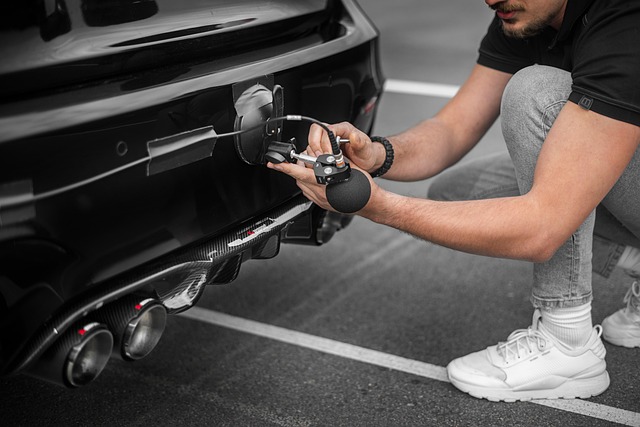
Registering a car in California involves several crucial steps, one of which is paying the registration fees and taxes. After completing your application at the Department of Motor Vehicles (DMV), you’ll need to cover these costs to legally operate your vehicle. The fees vary based on vehicle type, age, and other factors, so it’s essential to understand what you’re responsible for before proceeding.
The California DMV offers several convenient payment options, including online, by mail, or in-person at a local field office. When paying online, you’ll typically need your driver’s license number, vehicle identification number (VIN), and the registration fee amount. The VIN is a unique code that can be easily verified through a mobile vin inspection or by using an authorized mobile vin verifier, ensuring accuracy during the payment process. For instance, the DMV may charge around $50 for a standard two-year registration for a car under 10 years old.
If you prefer in-person or mail payment methods, gathering necessary documents before visiting a DMV office is crucial. This includes proof of identity, vehicle ownership (like a title), and insurance. During the payment process, you may also be subject to sales tax, which can add up depending on your vehicle’s value. It’s important to keep records of all transactions for future reference and to demonstrate compliance with California’s registration requirements during any vehicle inspection, including those conducted by mobile vin inspectors.
Register Your Car Online or In-Person

Registering your car in California involves a straightforward process that can be completed online or in person at a DMV office. For those opting for an online approach, the California Department of Motor Vehicles (DMV) offers a convenient and efficient method through their secure website. This option allows you to avoid the often busy and time-consuming visits to the DMV. The procedure entails entering your vehicle’s information, including its unique Vehicle Identification Number (VIN), which is a crucial step for accurate registration. A DMV VIN verification ensures that your car matches the details on record, preventing potential fraud or identity issues.
An alternative, and sometimes preferred method, is to conduct a vin inspection using a mobile vin verifier. These services send a trained specialist to your location, whether it’s your home or workplace, to perform a thorough examination of your vehicle. This option is ideal for those with busy schedules or limited mobility. The inspector will cross-reference the VIN with official databases to ensure the car’s history is clear and match the details provided by the manufacturer. This process can be particularly useful when purchasing a used vehicle, as it provides assurance that there are no hidden issues or discrepancies in the car’s ownership record.
Whether online or in person, it’s essential to gather all necessary documents before beginning the registration process. These typically include proof of identity and residency, along with the car’s title and any required emissions test results. By ensuring a smooth and accurate vin inspection and gathering comprehensive documentation, California residents can efficiently register their vehicles, staying compliant with state regulations while securing peace of mind regarding their vehicle’s legal status.
Registering a car in California involves several crucial steps, from preparing necessary documents to understanding DMV procedures like dmv vin verification. Key insights include ensuring all required paperwork is accurate and complete, visiting a California DMV with the appropriate identification, and correctly interpreting your vehicle’s Vehicle Identification Number (VIN). Payment of registration fees and taxes is essential, along with choosing between online or in-person registration. By diligently navigating these steps—including the critical dmv vin verification—you can efficiently and legally register your vehicle, ensuring compliance with California’s regulations. This process empowers you to hit the road with confidence, knowing your car is properly registered and verified.