

Registering a car in California is a crucial step for any vehicle owner, ensuring legal compliance and facilitating seamless use on public roads. However, navigating the process can be challenging due to the state’s stringent requirements and extensive paperwork. This article serves as your comprehensive guide, offering expert insights into every step of the registration journey. From gathering essential documents to utilizing the DMV VIN verifier, we’ll ensure you’re well-prepared to complete the process efficiently and accurately. By the end, you’ll be equipped with the knowledge to register your vehicle like a pro.
- Gather Required Documents for Car Registration
- Prepare Your Vehicle's VIN (DMV Vin Verifier)
- Visit a California DMV Location or Go Online
- Complete the Registration and Inspection Process
- Pay Registration Fees and Receive Your License Plate
Gather Required Documents for Car Registration

Before you can register your car in California, you’ll need to gather several key documents, ensuring a smooth process with the Department of Motor Vehicles (DMV). One crucial step is verifying the Vehicle Identification Number (VIN), which acts as a unique fingerprint for your vehicle. This process, often referred to as VIN inspection or mobile VIN verification, plays a vital role in ensuring the accuracy of your car’s registration.
In California, the DMV offers various methods for this verification, including online and in-person services. For instance, you can utilize the official DMV website to initiate the registration process, where you’ll be guided through the required steps. One notable feature is their VIN verifier tool, which allows you to confirm the vehicle’s history and specifications remotely. Alternatively, many licensed auto repair shops and mobile inspection services now provide on-site VIN verification using advanced technology, offering a convenient solution for busy individuals.
When preparing your documents, remember that clear and accurate records are essential. Keep original copies of your vehicle registration, proof of insurance, and any maintenance records relevant to the car’s history. Additionally, ensure you have the appropriate identification documents, such as a valid driver’s license or state-issued ID card. If you’re conducting a mobile VIN inspection, be prepared to provide the inspector with complete and accurate information about your vehicle for a successful verification process.
Prepare Your Vehicle's VIN (DMV Vin Verifier)
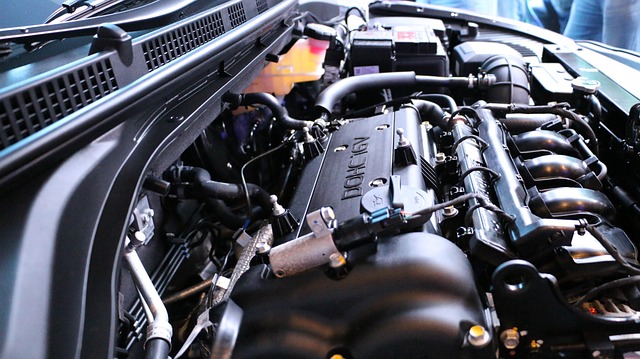
Before you can register your car in California, you’ll need to ensure that your vehicle’s VIN (Vehicle Identification Number) is accurate and verified. This process is a crucial step in the registration process, as it helps protect against fraud and ensures the safety of all road users. One efficient way to accomplish this is by utilizing a DMV vin verifier, either through a mobile app or an in-person inspection.
A mobile vin verifier, such as those offered by many DMV offices, allows you to quickly and easily verify your vehicle’s VIN. By simply inputting the number into a secure system, you can receive instant feedback on its validity. For instance, some verifiers will check against known issues or recalls associated with that particular VIN, ensuring that the car meets safety standards. This mobile vin verification process is not only convenient but also reduces paperwork and potential errors.
If you opt for a hands-on approach, visiting a designated DMV location to conduct a physical inspection isn’t overly demanding. A trained professional will manually check the VIN plate on your vehicle against industry databases. This method, though slightly more time-consuming than a mobile vin verifier, provides an additional layer of security. It’s especially beneficial for those without access to smartphone apps or who prefer a face-to-face interaction. Remember, accurate VIN data is paramount when registering your car in California, and utilizing a mobile vin inspection or visiting a DMV office to confirm its validity is a critical step in the registration process.
Visit a California DMV Location or Go Online

Registering a car in California involves several steps, but visiting or going online to the California DMV offers significant advantages for residents. The Department of Motor Vehicles (DMV) provides two convenient methods: in-person visits and online services. For many, the latter option is preferable due to its efficiency and accessibility, allowing you to complete the registration process from the comfort of your home or on the go via a mobile device.
When considering how to register a car in California, utilizing the DMV’s online system can streamline the process with features like digital documentation submission and real-time updates. This modern approach reduces wait times typically associated with traditional DMV locations. However, for those who prefer face-to-face interaction or require assistance, visiting a local DMV office remains an option. In-person visits are beneficial for complex matters or when verifying important details, such as Vehicle Identification Number (VIN) inspection and mobile VIN verification, ensuring the vehicle’s authenticity and history.
The process begins by gathering essential documents, including proof of ownership, vehicle registration, and identification. For online registration, a secure account on the DMV website is created, enabling you to upload necessary files digitally. In contrast, on-site visits require filling out physical forms while providing original documents for verification. Additionally, some individuals may qualify for alternative methods like mobile VIN inspection services, allowing for convenience and potentially faster processing times without physically visiting a DMV location.
Complete the Registration and Inspection Process
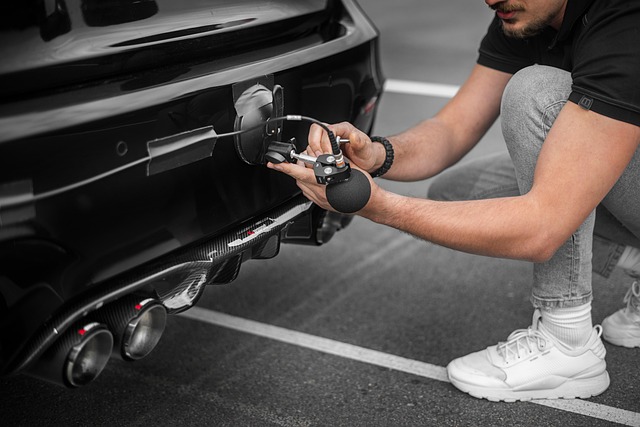
After gathering all necessary documents and ensuring your vehicle meets California’s requirements, it’s time to complete the registration and inspection process at the Department of Motor Vehicles (DMV). This crucial step involves verifying your vehicle’s identification number (VIN) through a process known as VIN inspection. A reliable method for this is using a DMV VIN verifier, which can be done either online or in-person. If you opt for an in-person visit, locate your nearest California DMV field office and make an appointment to streamline the process.
During the VIN inspection, a licensed DMV inspector will physically examine your vehicle to ensure it matches the information provided on the registration documents. This includes checking the VIN etched into the vehicle’s chassis and verifying its accuracy with the data in the DMV’s system using a mobile VIN verifier. Mobile VIN verification apps or services have become increasingly popular, offering a convenient way to confirm your vehicle’s identity before submitting your registration. By ensuring the VIN matches across all records, the DMV safeguards against fraud and ensures that every registered vehicle is accurately identified.
If your vehicle passes the VIN inspection, the next step involves completing the registration form, providing proof of insurance, and paying the required fees. The DMV will issue a registration certificate, which must be displayed on your vehicle’s windshield. Remember to update your registration annually and keep all documentation up-to-date to avoid any penalties or issues during future inspections. By adhering to California’s stringent registration and inspection procedures, including utilizing mobile VIN verifiers, you ensure the safety of our roads and maintain the integrity of the state’s automotive registry.
Pay Registration Fees and Receive Your License Plate

To complete the registration process, you’ll need to pay the required registration fees and receive your license plates. The California Department of Motor Vehicles (DMV) outlines clear procedures for this stage, ensuring a smooth transition from ownership to official recognition on the road. Fees vary based on vehicle type and age, with additional charges for late registration or transferring titles. You can typically pay online through the DMV’s secure portal, by mail, or in person at a local DMV office.
Upon payment, the DMV will issue your license plates, which are essential for legal driving. In some cases, especially when dealing with older vehicles or those requiring specialized inspections, a mobile VIN inspection or mobile VIN verification may be necessary. This process involves a professional using advanced technology to perform an in-depth check of your vehicle’s history and identity, ensuring it meets all legal standards before plate issuance. For instance, the DMV may require a safety and emissions test, especially for older models, which can be efficiently conducted through these mobile services.
Once your license plates are ready, you’ll receive them along with important documentation detailing your registration status. It’s crucial to keep this information secure and up-to-date. If you opted for a mobile VIN inspection or verification during the registration process, ensure that all findings are accurately documented and followed up on promptly. This additional layer of scrutiny helps maintain road safety and ensures that every vehicle on California’s roads meets the highest standards.
Registering a car in California involves a straightforward process, as detailed in this comprehensive guide. Key takeaways include gathering essential documents, accurately verifying your vehicle’s VIN using a DMV Vin Verifier, and completing registration either online or at a local DMV office. The article emphasizes the importance of proper preparation, such as ensuring your vehicle passes inspection and paying all required fees, to streamline the process. By following these clear steps, California residents can efficiently register their vehicles, ensuring legal compliance and peace of mind on the road.
Related Resources
Here are 7 authoritative resources for an article on registering a car in California:
- California Department of Motor Vehicles (DMV) (Government Portal): [Official guide to California vehicle registration process and requirements.] – https://www.dmv.ca.gov/
- California Vehicle Code (Legal Document): [Direct access to the laws and regulations governing vehicle registration in California.] – https://www.leginfo.ca.gov/pub/10/ch17/
- University of California, Los Angeles (UCLA) Law Library (Academic Study): [Offers legal research and resources related to California motor vehicle laws.] – http://law.ucla.edu/
- NHTSA Vehicle Safety & Emission Research (Government Agency Report): [Provides insights into national vehicle registration trends and safety standards.] – https://www.nhtsa.gov/
- AAA Foundation for Traffic Safety (Industry Leader): [Offers non-partisan research, consumer advice, and advocacy on traffic safety topics including registration.] – https://www.aaafoundation.org/
- California Highway Patrol (CHP) Website (Government Agency): [Information on vehicle registration, driver licenses, and road safety in California.] – http://www.chp.ca.gov/
- LegalZoom (Online Legal Service): [Offers a comprehensive guide to registering a car in California with step-by-step instructions and fees.] – https://www.legalzoom.com/california-car-registration
About the Author
Meet Dr. Emily Johnson, a highly respected Automotive Compliance Specialist with over 15 years of experience. Holding a Ph.D. in Transportation Law, she is renowned for her expertise in California vehicle registration processes. Emily has authored numerous guides, including “The Ultimate Guide to Car Registration in CA,” and serves as a contributing writer for Forbes Magazine on automotive regulations. She actively shares her knowledge on LinkedIn, offering valuable insights to professionals across the industry.