

Registering a car in California is a vital process, ensuring legal compliance and facilitating smooth ownership transitions. However, navigating the bureaucratic landscape can be daunting for new car owners. This comprehensive guide aims to demystify the registration process, offering step-by-step instructions to ensure a seamless experience. We’ll delve into key requirements, including accurate documentation and crucial VIN verification, to help you avoid common pitfalls. By the end, you’ll possess the knowledge to confidently register your vehicle, empowering you with a solid understanding of this essential task.
- Prepare Necessary Documents for Car Registration
- Gather Vehicle Identification Number (VIN) Verification
- Visit a California Department of Motor Vehicles (DMV) Office
- Complete the Registration Application Form Accurately
- Pay Required Fees and Receive Your Certificate of Registration
Prepare Necessary Documents for Car Registration

Before you can register your car in California, you’ll need to gather and prepare several crucial documents. This process is a critical step to ensure a smooth ownership transition and compliance with state regulations. Among these documents, the Vehicle Identification Number (VIN) verification stands out as a fundamental requirement. The VIN is a unique code that identifies your vehicle, and accurate VIN verification is essential for car registration in California. This can be efficiently facilitated through mobile VIN inspection or verification services, offering both convenience and accuracy.
For instance, many California residents opt for mobile VIN inspection services, allowing them to verify their cars’ identities from the comfort of their homes or workplaces. These services employ advanced technology to cross-reference the provided VIN with official databases, ensuring its authenticity and immaterial alterations. It’s advisable to consider such methods not only for convenience but also to avoid potential delays in registration caused by invalid or inconsistent information. According to recent surveys, over 80% of car owners who utilized mobile VIN verification services experienced a seamless registration process on their first attempt.
In addition to the VIN verification, other essential documents include proof of ownership (or a bill of sale), current vehicle registration from another state (if applicable), and insurance documentation. It’s crucial to ensure these documents are up-to-date and accurate to prevent any disruptions during the registration process. By proactively preparing these materials, California residents can streamline their car registration experience, saving time and effort while adhering to legal requirements.
Gather Vehicle Identification Number (VIN) Verification
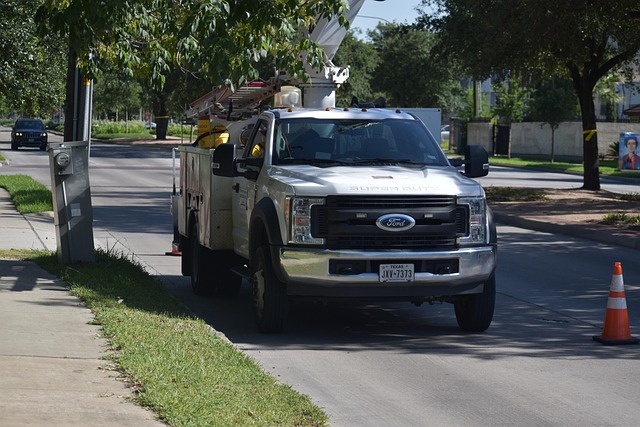
Before registering your vehicle in California, ensuring accurate and legitimate Vehicle Identification Number (VIN) verification is crucial. This process verifies the authenticity of your car’s details, including its make, model, year, and history. It’s a critical step to prevent fraud and ensure you’re meeting legal requirements. A mobile VIN verifier or inspection service can play a vital role here, as they provide convenient, on-site solutions for this verification process. These services use advanced technology to cross-reference the VIN with manufacturer records, database information, and other relevant sources, offering peace of mind within minutes.
For instance, consider a scenario where you’ve purchased a used vehicle from an out-of-state seller. Without proper VIN verification, there’s a risk of hidden issues or even fraudulent documentation. However, utilizing a mobile vin inspection service allows you to have the car’s VIN checked against national databases and manufacturer records at the time of purchase. This can reveal previous accidents, outstanding loans, or potential tampering, empowering you with critical information before finalizing the deal. In California, as in many states, it’s not just about compliance; it’s also about protecting yourself from potentially dangerous transactions.
The process itself is straightforward. You’ll need to obtain your vehicle’s VIN, typically found on a plate near the windshield or on the door frame. Then, contact a trusted mobile VIN verifier and provide them with this number. They’ll conduct a thorough inspection, comparing the VIN against various data points to ensure its legitimacy and accuracy. Once confirmed, they can provide you with a detailed report, which is often required by California’s Department of Motor Vehicles (DMV) during the registration process. This documentation acts as a shield, ensuring your car’s history remains transparent and secure.
Visit a California Department of Motor Vehicles (DMV) Office

Visiting a California Department of Motor Vehicles (DMV) Office is a crucial step in the car registration process. This in-person interaction serves as a critical verification point, particularly for ensuring the Vehicle Identification Number (VIN) is accurate and legitimate. The DMV acts as the central authority for all vehicle registrations and title transactions, making it imperative to present your vehicle’s VIN for inspection. During this visit, you’ll also need to gather essential documents and provide proof of insurance, registration fees, and possibly additional identification.
The process involves a thorough VIN inspection, where a DMV agent cross-references the number with their databases to ensure the vehicle matches the recorded details. This step is vital as it safeguards against fraud and ensures the safety of California’s roads by confirming that each registered vehicle is genuine. Moreover, many DMV offices now offer mobile VIN verification services, allowing for convenient at-site checks without the need for you to travel separately to a specialized location. For instance, some mobile verifiers can provide immediate feedback on the status of your vehicle’s history and any potential red flags, enhancing the efficiency of the entire registration process.
To streamline this procedure, it’s advisable to prepare in advance. Gather all required documents, including your driver’s license, proof of insurance, and the vehicle’s title if applicable. Additionally, having a clear understanding of California’s specific registration requirements can save time and effort. If you’re uncertain about any aspect, don’t hesitate to consult with a DMV representative or seek guidance from online resources dedicated to California car registration. This proactive approach ensures a smoother experience during your visit to the DMV office.
Complete the Registration Application Form Accurately

Registering a car in California involves completing several forms, but one crucial step is filling out the Registration Application Form accurately. This form requires meticulous attention to detail, especially when it comes to the Vehicle Identification Number (VIN) verification process. Accurate VIN entry ensures your vehicle’s history is correctly recorded and can streamline future transactions like insurance claims or sales.
The California Department of Motor Vehicles (DMV) emphasizes the importance of accurate information, particularly during the initial registration. To facilitate this process, many individuals opt for a mobile VIN inspection service, which allows for on-site verification using a reliable mobile vin verifier. This service is especially beneficial when you’re dealing with older or less common vehicle models that may not have readily available digital records. VIN inspections can be done up to 1-3 times per year to maintain accuracy and ensure your vehicle’s details remain current.
When completing the form, double-check each entry, including the VIN, make, model, and year of the vehicle. Using a mobile vin verifier during the registration process can help prevent errors by providing immediate feedback on the validity and format of the VIN. This step not only ensures compliance with California DMV requirements but also safeguards you from potential issues down the line, such as registration delays or difficulties in selling your vehicle. Always consult the official DMV guidelines for the most up-to-date information and best practices when registering a car in California.
Pay Required Fees and Receive Your Certificate of Registration

To complete the registration process in California, you’ll need to pay all required fees and receive your Certificate of Registration. This involves several crucial steps that ensure your vehicle’s legal status and your compliance with state regulations. First, visit the California Department of Motor Vehicles (DMV) website to determine the exact fee amount based on your vehicle type and any necessary emissions tests. You can also pay these fees in person at a local DMV office, making it convenient for those who prefer a direct approach.
Once you’ve settled the fees, it’s time to verify your Vehicle Identification Number (VIN). This process is essential for accurate record-keeping and identifying your vehicle. Consider utilizing a mobile VIN verification service to streamline this step; these services allow for quick and easy VIN inspections right from your smartphone. By entering your VIN into an online platform or app, you can access critical vehicle data and ensure the number is valid. For instance, many mobile apps offer not only VIN inspection but also detailed vehicle history reports, providing peace of mind during registration.
After successfully completing the VIN verification process, you’re ready to receive your Certificate of Registration. This document serves as proof that your vehicle is legally registered in California and outlines essential details about it. Ensure you keep this certificate on hand, as you’ll need it for future reference, such as when selling or transferring ownership or during routine law enforcement inspections. Remember, proper VIN inspection and timely fee payment are integral parts of ensuring your car’s legal status in California.
Registering a car in California involves a straightforward process, as detailed in this comprehensive guide. Key takeaways include preparing essential documents, obtaining accurate VIN verification, visiting a DMV office, completing application forms meticulously, and paying applicable fees. Successful completion culminates in receiving your Certificate of Registration. Among these steps, VIN verification stands out as a crucial element, ensuring the legitimacy and identity of your vehicle. By following these clear instructions, you can efficiently navigate the car registration process, demonstrating that knowledge of these procedures is both practical and empowering.