

Looking to register your car in California? This comprehensive guide breaks down the state’s process, ensuring a smooth transition. From understanding the requirements to gathering crucial documents for VIN verification, we cover every step. Learn about the vehicle inspection and emission test, and discover how to submit applications with the DMV efficiently. Get ready to hit the road with your new California registration and license plate!
- Understanding the California Car Registration Process
- Gathering Necessary Documents for VIN Verification
- Conducting a Vehicle Inspection and Emission Test
- Submitting Applications and Fees to the DMV
- Receiving Your California Registration and License Plate
Understanding the California Car Registration Process

In California, registering a car involves several key steps that ensure vehicles on the road meet safety and environmental standards. The process begins with gathering essential documents, including proof of ownership, insurance, and identification. Once these are in hand, the next crucial step is vin verification. This involves checking the vehicle’s unique Vehicle Identification Number (VIN) to confirm its authenticity and history, a process that can be facilitated by a mobile vin verifier or mobile vin inspection.
After successful vin verification, you’ll need to visit a California Department of Motor Vehicles (DMV) office or use their online services to complete the registration. This includes paying the required fees and passing any necessary inspections. A mobile vin verifier can assist in this process by providing quick and convenient vin inspection services, ensuring that your car’s registration is handled smoothly and efficiently.
Gathering Necessary Documents for VIN Verification

Before registering your car in California, you’ll need to gather several crucial documents for VIN (Vehicle Identification Number) verification. This process ensures that your vehicle meets all legal standards before hitting the roads. Essential documents include the title or proof of ownership, registration forms, and a valid driver’s license. Additionally, you might require insurance paperwork and identification cards with your current address.
For a seamless vin inspection, consider using digital tools offered by mobile vin verifiers. These services allow you to quickly gather and submit all necessary data, speeding up the registration process. A mobile vin verifier can also help ensure that the vehicle’s history is accurate and free from any discrepancies, making it a convenient option for those looking to register their cars in California.
Conducting a Vehicle Inspection and Emission Test
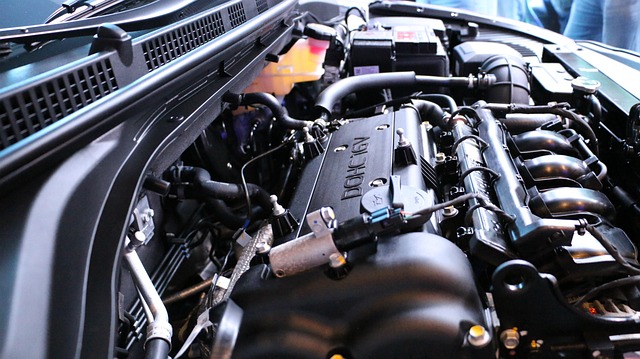
Before registering your car in California, a vehicle inspection and emission test are mandatory requirements. This process ensures that your car meets the state’s safety and environmental standards. The first step involves a comprehensive vin verification (Vehicle Identification Number) to ensure the authenticity of your vehicle’s details. A mobile vin inspector can perform this service conveniently at your location, making it easier for you.
During the inspection, certified technicians will check various components of your car, including the lights, brakes, tires, and emissions system. They’ll also verify the accuracy of the VIN through a vin inspection, which is crucial for identifying any potential issues or tampering. Once your vehicle passes this phase, it’s one step closer to getting registered with the California Department of Motor Vehicles (DMV).
Submitting Applications and Fees to the DMV

To register your car in California, the first step is to ensure all necessary documents are prepared and accurate. This includes the completed Vehicle Registration Application (Form DV-180), a valid driver’s license, proof of insurance, and the vehicle’s title. Additionally, you’ll need to undergo a critical process known as VIN verification or inspection, which is essential for ensuring the accuracy of your car’s identification number. This can be done at a California DMV office or through a mobile vin inspection service, making it more convenient than ever.
Next, submit all these applications and fees to the Department of Motor Vehicles (DMV). The required fees include registration fees, title transfer costs if applicable, and potentially additional charges for late registration or certain vehicle types. Once your paperwork is processed and your VIN inspection is confirmed, you’ll receive a registration certificate, license plate, and proof of insurance card, allowing you to legally operate your vehicle on California roads.
Receiving Your California Registration and License Plate

After completing your vehicle’s registration process, it’s time to receive your California Registration and License Plate. This crucial step involves obtaining official documentation from the California Department of Motor Vehicles (DMV). Once approved, you’ll be issued a unique registration card and a set of license plates tailored to your vehicle’s make and model.
A vital aspect of this process is ensuring accurate identification of your vehicle through a vin verification process. Utilizing a mobile vin verifier or undergoing a vin inspection guarantees that the Vehicle Identification Number (VIN) on your car matches the information in the DMV’s system. This step is essential, as it not only secures your registration but also plays a role in preventing fraud and theft.
Registering a car in California involves several key steps, from understanding the process to gathering documents for VIN verification, passing vehicle inspections, and submitting applications to the DMV. Once complete, you’ll receive your California registration and license plate, ensuring your vehicle is legally registered and ready to hit the road. Remember, a well-prepared approach with all necessary documentation will streamline this essential administrative task.