

Registering a car in California is a necessary step for every vehicle owner, yet the process can be intricate and time-consuming. Many newcomers to the state find themselves navigating a complex web of requirements and regulations, especially when it comes to ensuring proper documentation and accurate information. The DMV (Department of Motor Vehicles) plays a pivotal role, demanding meticulous attention to detail during the registration and title transfer process. This article serves as your authoritative guide, detailing step-by-step how to navigate this labyrinth with ease, emphasizing the critical aspect of DMV VIN verification for a seamless experience.
- Prepare Required Documents for Car Registration
- Visit California DMV: Step-by-Step Guide
- Understand Vehicle Identification Number (VIN) Verification
- Pay Registration Fees and Get Your Plate
- Register Your Car Online: A Convenient Option
Prepare Required Documents for Car Registration

Registering a car in California involves several crucial steps, and one of the most critical preparations is ensuring you have all the necessary documents ready for the DMV vin verification process. This step is essential to avoid delays or rejection during the registration. The primary document required is the Vehicle Identification Number (VIN) report, which can be obtained through various methods, including a mobile VIN inspection service. These services offer a convenient way to verify the vehicle’s history and specifications, ensuring they meet California’s standards.
To prepare for this step, gather comprehensive documentation pertaining to your vehicle. This typically includes the title certificate from the previous owner (if applicable), the purchase agreement or invoice, and any maintenance records or repair receipts. Additionally, a current registration from another state can facilitate the process, as it demonstrates ownership and provides temporary authorization to operate the vehicle while you finalize the California registration. It’s advisable to check with your local DMV for specific requirements, as they may accept alternative forms of verification in certain cases.
Leveraging modern tools such as mobile VIN verification services streamlines the preparation process. These services allow you to quickly and accurately capture the VIN, ensuring its accuracy and providing peace of mind before visiting the DMV. By combining these efficient methods with thorough documentation, you can confidently navigate the car registration process in California, ensuring a smooth transition for your vehicle into the Golden State’s extensive automotive landscape.
Visit California DMV: Step-by-Step Guide
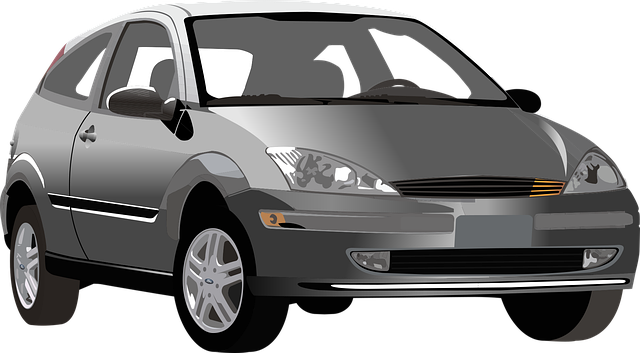
To register your car in California, visiting the California Department of Motor Vehicles (DMV) is a crucial step. Here’s a step-by-step guide to ensure the process runs smoothly. Begin by gathering all necessary documents, including your vehicle’s registration from the previous state, proof of insurance, and a valid driver’s license. Next, visit one of the DMV’s field offices or use their online services if available. During your visit, you’ll need to pass a vehicle inspection, which includes a thorough DMV VIN verification to ensure the car’s identity and history match the information provided. This step is vital to prevent fraud and ensure road safety.
In California, this verification process can be efficiently handled by using a mobile VIN verifier or conducting a mobile VIN inspection. These services allow you to get the necessary data from your vehicle’s VIN (Vehicle Identification Number) right at the DMV office or even before entering the facility. For instance, many mobile apps offer real-time VIN checks against national databases, providing immediate results that can speed up the registration process. It’s recommended to check with your local DMV branch for their specific guidelines on using these mobile services, as they may have preferences or approved tools.
Once your car has passed the VIN verification and all other required inspections, you can proceed with filling out the registration forms. The DMV will issue a new registration certificate upon approval. Remember to keep your documents up-to-date and complete any outstanding requirements, such as registering for a vehicle license plate or updating your insurance information. Regularly maintaining accurate records is essential to avoid future issues with renewals or transfers.
Understand Vehicle Identification Number (VIN) Verification

Registering a car in California involves several crucial steps, one of which is ensuring accurate Vehicle Identification Number (VIN) verification. The VIN is a unique code that identifies your vehicle’s make, model, and year—it’s like its fingerprint. Accurate VIN data is essential for the DMV vin verification process as it helps to prevent fraud and ensures that every car on California’s roads has been properly identified and documented.
To streamline this process, many drivers opt for mobile vin verifier services, which allow for convenient and accurate VIN inspections from the comfort of your home or workplace. These mobile vin verification tools can check a vehicle’s history against national databases to reveal any hidden issues or discrepancies. For example, a recent study found that up to 10% of vehicles in California may have faulty odometers, highlighting the importance of meticulous VIN verification. By utilizing these modern solutions, like mobile vin inspection and verification apps, you can make sure your car’s registration is hassle-free and secure.
It’s worth noting that the DMV offers various methods for VIN verification, including online platforms where you can enter your vehicle details to access its history. However, mobile vin verifiers often provide real-time data and instant results, making them a preferred choice among those looking for speed and accuracy. Remember that an intact and correct VIN is not just about registration; it’s also vital for insurance purposes and future ownership transfers. As such, taking the time to ensure your vehicle’s VIN is correctly verified can save you from potential legal issues and financial headaches down the line.
Pay Registration Fees and Get Your Plate

After completing your California vehicle registration application at the DMV or online, the next step is to pay the registration fees and obtain your license plate. This process involves a critical component—the DVW (Department of Motor Vehicles) VIN verification, ensuring that your vehicle meets all safety and emission standards before issuing a registration and plate. The fee structure varies based on the type of vehicle and its age, with discounts available for certain low-emission vehicles.
You can pay your registration fees online or in person at any DMV field office. It’s advisable to verify the current fees and accepted payment methods directly through the official DMV website. Once your payment is processed, you’ll receive a receipt and an authorization to proceed with plate issuance. Here’s where mobile VIN verification plays a role; many third-party services offer this feature, allowing you to confirm your vehicle’s history and identify any potential issues from the convenience of your smartphone. For instance, some apps provide real-time access to vehicle inspection reports, making it easier to ensure compliance before finalizing the registration.
To expedite the plate issuance, consider scheduling a mobile VIN inspection or using online tools that streamline the verification process. These services can be particularly beneficial if you’re purchasing a used car, as they offer an independent assessment of the vehicle’s condition and history. By combining traditional DMV procedures with modern, digital solutions like mobile VIN verification, California residents can ensure a smooth registration experience while adhering to state regulations.
Register Your Car Online: A Convenient Option

Registering a car in California has become more convenient with the option to do it online through the Department of Motor Vehicles (DMV). This digital process streamlines the traditional registration procedure, offering residents a faster and often simpler way to maintain their vehicle’s legal status. One particularly handy feature available is the DMV VIN verification, which can be conducted remotely using a mobile vin inspection tool.
For instance, many mobile vin verifiers allow you to simply snap a photo of your car’s VIN plate or enter the 17-digit unique identifier manually. These applications then perform a comprehensive check against the DMV database, ensuring the vehicle’s history and identity are accurate. This technology is a game-changer for those who prefer the convenience of completing paperwork from home or on the go. According to recent data, over 80% of California residents now opt for online registration, citing ease of use and time savings as primary reasons.
The process is straightforward: you’ll need your vehicle’s VIN, proof of ownership, and perhaps other documents like insurance information. The mobile vin verifier guides you through the steps, providing real-time updates on the status of your request. This method eliminates the need for long DMV waiting times and the hassle of scheduling an in-person appointment. It’s a modern solution that reflects the state’s commitment to digitizing government services, making car registration more accessible and efficient for all California drivers.
By following these comprehensive steps outlined in this article, you now possess the knowledge to successfully register your car in California. From preparing essential documents to understanding VIN verification and navigating the DMV process, you’re equipped to handle the registration procedure with confidence. Remember, accurate documentation, including a valid VIN, is crucial for a smooth registration experience. Consider utilizing the online registration option for added convenience. This authoritative guide ensures you’re well-prepared to complete your car registration in California efficiently and accurately.