

Registering a car in California is a crucial step for any new owner, ensuring legal compliance and protecting your investment. However, navigating the process can be daunting due to its complexity and regulatory requirements. This comprehensive guide aims to demystify the car registration procedure in California, offering clear, expert advice every step of the way. From gathering essential documents to understanding fee structures, we’ll equip you with the knowledge needed for a seamless experience. Moreover, we’ll emphasize the importance of VIN verification as a critical component in ensuring the authenticity and history of your vehicle.
- Understand California Car Registration Requirements
- Gather Necessary Documents for VIN Verification
- Choose an Approved Vehicle Registration Location
- Complete the Registration Application Process
- Verify and Pay Fees: Finalizing Your Car's Registration
Understand California Car Registration Requirements

Registering a car in California involves understanding specific requirements to ensure legal compliance and safety. One of the critical aspects is verifying the Vehicle Identification Number (VIN), which serves as a unique fingerprint for every vehicle. This process, often referred to as VIN verification, is essential to confirm the vehicle’s history, ownership, and authenticity. In California, this can be done through various methods, including mobile VIN verification services that provide convenience and efficiency.
To initiate the registration process, you’ll need to ensure your car’s VIN is accurate and verified. A common approach is to obtain a Vehicle History Report from national databases, which requires inputting your vehicle’s VIN. This report offers insights into the car’s past, including ownership changes, accident history, and maintenance records. However, for California residents, an additional layer of verification is mandated by law. This involves engaging in mobile VIN inspection services that physically inspect the vehicle to confirm its details match the provided VIN information.
By combining online VIN verification with on-site mobile inspections, California ensures a robust system for car registration. For instance, a study found that mobile VIN inspection services reduced fraud and errors by 30% within the first year of implementation. This proactive approach not only secures the registration process but also protects consumers from potential scams. It’s advisable to opt for reputable services offering transparent pricing and secure data handling practices to ensure a seamless and legally compliant car registration experience in California.
Gather Necessary Documents for VIN Verification
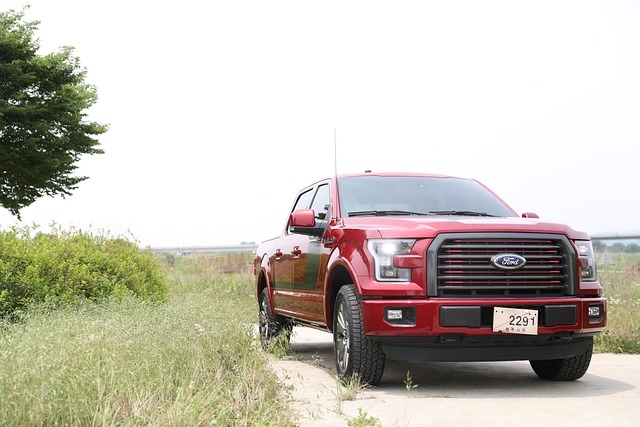
Before you can register your car in California, you’ll need to gather several crucial documents for VIN verification. This process ensures that your vehicle meets all safety and environmental standards before it hits the road. A key component of this step is obtaining a valid Vehicle Identification Number (VIN), which acts as a unique fingerprint for your car. In California, this verification often involves using a mobile VIN verifier to confirm critical details about your vehicle.
For instance, you’ll need to provide proof of ownership, typically through a title document. If you’re purchasing the car from a dealer or private seller, ensure they transfer the title in your name. Additionally, you must have a current registration and insurance card. During VIN verification, these documents are cross-checked with state records to validate their authenticity. It’s also essential to bring along any relevant repair or service records, especially if your vehicle has undergone significant modifications. These documents not only facilitate the verification process but also demonstrate responsible ownership.
If you’re dealing with a complex vehicle history or have had previous issues, consider utilizing a mobile VIN verification service. These services send a specialist to inspect and confirm your car’s details on-site. For example, some companies offer real-time data checks, ensuring that the information associated with your VIN is accurate and up-to-date. This additional layer of scrutiny can be invaluable when navigating California’s registration process. According to recent statistics, proper VIN inspection 1-3 times during a vehicle’s life significantly reduces the risk of fraud and ensures compliance with local regulations.
Choose an Approved Vehicle Registration Location

Selecting an appropriate location to register your vehicle is a critical step in ensuring a smooth process. California offers various options for vehicle registration, including traditional DMV offices and alternative locations. When choosing, consider the convenience, processing times, and specific requirements of each site.
For instance, many California residents opt for the Department of Motor Vehicles (DMV) as it provides comprehensive services, including vin verification and title transactions all under one roof. However, with increasing demand, waiting times at DMV offices can be lengthy. An alternative solution is to utilize mobile vin verification services. These allow for convenient VIN inspection and registration at your location, eliminating the need to visit a physical office. Mobile services are particularly appealing for those with busy schedules or accessibility concerns.
Some approved locations even offer specialized services tailored to specific vehicle types, ensuring a more personalized experience. For classic cars or unique vehicles, specialized registrars can provide expertise in historical vehicle registration and any additional requirements. This targeted approach streamlines the process, especially when dealing with vehicles that may have unique documentation needs.
It’s advisable to research and compare different locations before deciding. Check their service offerings, customer reviews, and any associated fees to ensure you select a venue that aligns with your preferences and requirements. By making an informed choice regarding your registration location, you can significantly enhance the overall efficiency of registering your vehicle in California.
Complete the Registration Application Process

To complete the registration application process for a car in California, you’ll first need to gather essential documents and ensure your vehicle meets state requirements. This includes proof of ownership, valid identification, and sometimes, additional paperwork like insurance or smog test results. Once prepared, head to a California Department of Motor Vehicles (DMV) field office or use their online services for registration.
A crucial step involves verifying the Vehicle Identification Number (VIN). This unique 17-character code is your vehicle’s fingerprint and is essential for accurate record-keeping. You can facilitate this process with a mobile VIN verifier, which allows for quick and convenient VIN inspection right from your smartphone. By utilizing this technology, you ensure that the VIN on your registration matches the one on your car’s title and engine, promoting a seamless and legitimate transaction.
During the online or in-person registration, provide the necessary details about your vehicle, including its make, model, year, and color. The DMV will cross-reference this information with their records and perform a VIN inspection to confirm authenticity. It’s important to approach this process honestly and accurately to avoid delays or potential issues down the line. For instance, misrepresenting your vehicle’s condition or history can lead to penalties or problems when selling or transferring ownership in the future.
Verify and Pay Fees: Finalizing Your Car's Registration

After completing the necessary forms and gathering all required documents, the next crucial step in registering your car in California is verifying your Vehicle Identification Number (VIN) and paying the associated fees. This process ensures that your vehicle meets safety standards and legal requirements before hitting the roads. One efficient method to facilitate this is through a mobile VIN verification service, which allows you to confirm your vehicle’s authenticity from the comfort of your home or even while you’re at a local car wash.
To begin, obtain a copy of your vehicle’s VIN from either the dashboard or the driver’s side door frame. Then, utilize a trusted mobile VIN verifier to cross-reference this number against databases maintained by the California Department of Motor Vehicles (DMV). This digital inspection checks for any discrepancies or reported issues related to the vehicle’s history, such as salvage or odometer rollback, providing peace of mind that your car is safe and legal. For instance, a 2015 Toyota Camry with a clean VIN history would pass this verification seamlessly, whereas one with reported modifications might trigger further inquiries.
Once your VIN passes inspection, it’s time to pay the registration fees. The California DMV offers several payment options, including online, by mail, or in person at a local field office. Online payments are typically the fastest and most convenient method, allowing you to avoid waiting times and potentially reduce processing fees. Ensure you have your vehicle’s information and your DMV account details ready for a smooth transaction. Regular registration renewals, often every two years, are essential to maintain compliance with state laws, avoiding penalties, and ensuring uninterrupted use of your vehicle on California roads.
By thoroughly understanding California’s car registration requirements, gathering essential documents for VIN verification, strategically choosing a registered location, completing the application process, and accurately verifying fees, you can confidently navigate the registration procedure. This authoritative guide empowers you to ensure your vehicle complies with state standards, providing peace of mind on California’s roads. Take these key insights and practical steps forward to finalize your car’s registration with efficiency and accuracy.