

Registering a car in California is a crucial step for any new or existing vehicle owner. The process can be daunting, with numerous requirements and potential pitfalls, especially when it comes to ensuring the vehicle’s authenticity and history. One critical aspect often overlooked is the DMV VIN verification, a meticulous check that guarantees the vehicle’s identification number matches the record. This article serves as your comprehensive guide, offering step-by-step instructions on navigating this process with ease, ensuring you’re not only compliant but also well-informed about the intricacies of car registration in the Golden State.
- Prepare Necessary Documents for Car Registration
- Understand California's Vehicle Identification Number (VIN) Verification Process
- Gather Information: Vehicle Details and Owner's Data
- Visit a California Department of Motor Vehicles (DMV) Office
- Complete the Registration and VIN Verification Procedure
Prepare Necessary Documents for Car Registration

Before you can register your car in California, you’ll need to gather essential documents for a smooth process. The first step involves preparing for what’s known as DMV VIN verification—a crucial part of the registration procedure. This process ensures that your vehicle’s unique identification number (VIN) is accurate and matches the make, model, and year specified on official records. In California, you can opt for either an in-person or mobile VIN verification service.
For a mobile vin inspection, authorized agents visit your location to cross-reference the VIN with the vehicle itself, comparing it against state databases. This method is particularly useful when dealing with classic cars or vehicles that have been restored, as it provides an extra layer of accuracy. It’s recommended to schedule this inspection in advance, as waiting times may vary depending on regional demand and the complexity of your vehicle. During the mobile vin verification process, a professional will examine the vehicle’s details—from the engine and chassis to the body panels—ensuring they align with the recorded VIN.
Additionally, you’ll require several key documents, including proof of insurance, a valid driver’s license, and the vehicle’s title (if applicable). It’s crucial these documents are up-to-date and meet California’s specific requirements. Having accurate and complete paperwork can significantly expedite the registration process, so ensure everything is in order before proceeding. This proactive approach will help avoid potential delays or issues that could arise from missing or incorrect documentation.
Understand California's Vehicle Identification Number (VIN) Verification Process

California’s Vehicle Identification Number (VIN) verification process is a critical step in registering your car with the DMV. This rigorous check ensures that every vehicle on California roads has been accurately identified and meets safety standards. The VIN, a unique 17-character code, acts as the vehicle’s fingerprint, providing detailed information about its manufacture, model, and history.
When you initiate the registration process at the DMV, you’ll be required to present your vehicle for a VIN verification inspection. This is where a trained professional will physically examine your car to ensure its VIN matches the information provided in the registration documents and that there are no discrepancies or alterations. The inspection includes checking the VIN plate, which is typically located on the vehicle’s firewall, and verifying it against the data in the DMV’s database. In cases where you’ve acquired a used vehicle, a mobile VIN inspection or verification service can be particularly useful. These services send a specialist to your location, ensuring a convenient and efficient way to complete this crucial step.
It’s important to understand that the DMV prioritizes accuracy and integrity in its VIN verification process. Any discrepancies found during the inspection may result in delays or even rejection of the registration application. To streamline the process, be prepared with all necessary documentation, including proof of ownership, insurance, and any historical service records. Additionally, if you’ve recently imported a vehicle, ensure that your DMV branch is aware of any required international inspections or certifications to avoid complications. By proactively understanding and adhering to these procedures, California vehicle owners can navigate the VIN verification process with confidence, ensuring their vehicles are properly registered and roadworthy.
Gather Information: Vehicle Details and Owner's Data

Before you register your car in California, gathering accurate and complete information is a critical first step. You’ll need to provide detailed vehicle data and personal owner’s information for the DMV vin verification process. This includes the Vehicle Identification Number (VIN), which acts as a unique fingerprint for your car, ensuring its authenticity and history are accurately recorded. A mobile VIN verifier can assist in this process by providing real-time, reliable data during the inspection.
For the VIN inspection, you’ll need to have at hand crucial vehicle details such as the make, model, year, and specific trim level. Ensure the VIN is legible and accurately displayed on your car’s registration documents or title. Additionally, prepare personal information including your full name, current address, and valid government-issued ID like a driver’s license or passport. This data is essential for identifying you as the new owner in the DMV records and facilitating smooth registration.
To streamline the process, consider using a mobile VIN verification service before visiting the DMV. These services offer convenient, on-demand inspections that can be conducted anywhere, saving you time and effort. They provide immediate access to detailed vehicle history reports, including past owners, maintenance records, and any reported accidents or damages. This proactive approach ensures accuracy during your DMV visit, minimizing potential delays or issues.
Remember, the accuracy of your information is paramount for a successful registration. Double-check all details against your car’s documentation and ensure they match exactly with what the mobile VIN verifier reveals. This meticulous attention to detail will help avoid complications later on in the registration process.
Visit a California Department of Motor Vehicles (DMV) Office
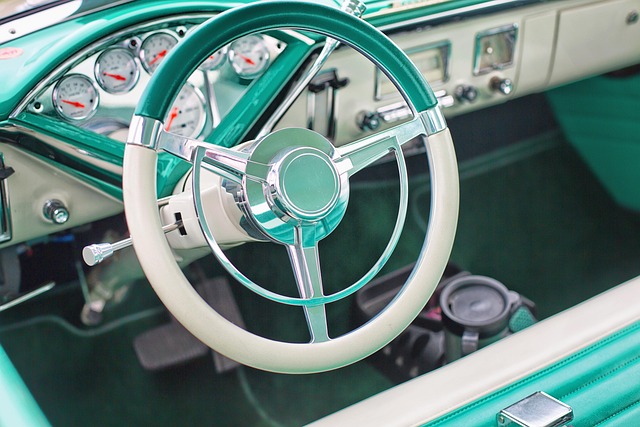
To register your car in California, visiting a local California Department of Motor Vehicles (DMV) office is an essential step. This in-person interaction serves as the cornerstone for ensuring your vehicle complies with state regulations. Upon arrival, you’ll need to present specific documents and pass several verifications. One crucial aspect involves the DMV VIN verification process, which confirms the vehicle’s unique identification number (VIN) against their records. This step is vital to prevent fraud and ensure the car’s history aligns with its current ownership.
The DMV offers a straightforward procedure for this verification. Staff will guide you through the process, which may include inspecting the physical VIN plate on your vehicle or cross-referencing it with documents like the title and registration papers. In some cases, you might be directed to use a mobile VIN verifier—a handy tool that allows for remote, real-time VIN inspection. This technology further streamlines the process, especially when dealing with older vehicles or those with unique identification numbers.
While many people associate vehicle registration with completing forms and paying fees, the DMV VIN verification stands out as a critical component. It’s worth noting that this inspection is often faster than expected, particularly when utilizing modern tools like mobile vin inspection apps. Remember, accuracy in these initial steps sets the tone for a smooth registration process overall.
Complete the Registration and VIN Verification Procedure

To complete the registration process for your vehicle in California, you’ll need to undergo a critical step known as DMV VIN verification. This procedure ensures that your car meets all necessary safety and environmental standards before it can be legally registered. The California Department of Motor Vehicles (DMV) conducts this verification, often requiring a physical inspection alongside documentation checks. One innovative method gaining traction is the use of mobile vin verifiers, allowing for convenient and efficient inspections at your convenience.
The process typically involves presenting your vehicle’s Vehicle Identification Number (VIN), which is a unique code that identifies specific characteristics of your car, to a DMV inspector or, in modern cases, a mobile vin inspection service. They will cross-reference this information with their databases to confirm the authenticity and history of your vehicle. It’s crucial to ensure all details match, as any discrepancies may lead to delays or further investigations. Many residents appreciate the flexibility offered by mobile vin verifiers, which can save time and effort compared to traditional DMV visits.
During a mobile vin inspection, a trained professional will use specialized equipment to scan and verify your VIN data accurately. This service is particularly beneficial for those with busy schedules or physical limitations that make visiting a DMV office challenging. While the initial cost of using a mobile vin verifier might be higher than a standard visit, it often proves more convenient and time-saving, especially when dealing with multiple vehicles or complex registration situations. By embracing these modern solutions, California drivers can streamline their registration process while maintaining the necessary level of scrutiny.
By meticulously preparing the necessary documents, understanding California’s stringent VIN verification process, gathering accurate vehicle and owner information, and visiting a local DMV office, you can successfully navigate the car registration process in this state. The key takeaway is that proper preparation and adherence to the DMV VIN verification standards are paramount for a smooth and efficient registration experience. Moving forward, ensure all details are in order before heading to the DMV, as this will save time and avoid potential delays or complications during the registration and VIN verification procedure.