

Registering a car in California is a critical process, ensuring legal operation on state roads. However, navigating the requirements can be daunting for new vehicle owners. This article provides an authoritative guide to demystifying the process, offering step-by-step instructions tailored to the Golden State’s regulations. We’ll delve into essential aspects, including preparing necessary documents, conducting a DMV VIN verification, and understanding fees. By following this comprehensive checklist, you’ll gain confidence in registering your vehicle smoothly and efficiently.
- Gather Required Documents for Car Registration
- Prepare Your Vehicle for DMV Inspection
- Complete the California Car Registration Application
- Submit Your Application and Pass DMV VIN Verification
- Receive Your Car's Title and Registration Documents
Gather Required Documents for Car Registration

To register your car in California, you’ll need to gather several crucial documents, including proof of insurance, a completed Title application, and perhaps most importantly, a valid Vehicle Identification Number (VIN) verification. The California Department of Motor Vehicles (DMV) requires this VIN verification as part of its registration process. This step ensures that the vehicle’s information matches the records and helps in identifying any potential issues or fraudulent activities. One effective method for this verification is through a mobile VIN inspection, which allows you to complete this requirement from the comfort of your home or office.
A common scenario involves individuals receiving their car’s title after purchasing it from an out-of-state seller. In such cases, a mobile vin inspection can help streamline the registration process significantly. This service involves a professional inspector using specialized tools to cross-reference the VIN with national databases, ensuring its authenticity and history. It’s worth noting that while some services charge for this service, many reputable companies offer it at minimal cost or even for free as part of their customer support.
Additionally, if you’re dealing with an older vehicle or one with a complex history, consider opting for a mobile vin verification service. This is especially true if the car has been in multiple accidents or undergone significant modifications that might alter its original VIN. Data from the DMV indicates that errors in registration can lead to legal complications later on, so ensuring accuracy early in the process is vital. By utilizing these services, you not only simplify the registration but also gain peace of mind knowing your vehicle’s history is accurately represented.
Prepare Your Vehicle for DMV Inspection

Before you can register your car in California, your vehicle must pass a stringent DMV inspection process. This rigorous evaluation ensures that all cars on the road meet safety and environmental standards. A key component of this inspection is the verification of the Vehicle Identification Number (VIN), which provides critical data about your car’s history and specifications. The California Department of Motor Vehicles (DMV) conducts these VIN inspections, often utilizing advanced tools like mobile vin verifiers to streamline the process.
During preparation for the DMV visit, it’s crucial to ensure that all vehicle documents are up-to-date and accurate. This includes registration papers, insurance cards, and any title transfers if applicable. Additionally, conduct a thorough inspection of your car, checking for any visible damage or wear. Pay special attention to safety features like brakes, lights, wipers, and signals, as these will be closely examined. Keep in mind that even minor issues could delay the registration process, so addressing these beforehand can save you time and potential frustration.
For a smoother experience, consider using a mobile vin inspection service. These professional tools enable on-site VIN verification, eliminating the need for additional trips and paperwork. With their advanced capabilities, they provide accurate readings and instant access to your car’s history, reducing potential errors or delays caused by manual entry. By preparing your vehicle thoroughly and utilizing modern technologies like these mobile vin verifiers, you can confidently navigate the DMV inspection process, ensuring a seamless registration experience in California.
Complete the California Car Registration Application

Registering a car in California involves several steps, one of which is completing the California Car Registration Application. This process requires meticulous attention to detail and adherence to specific guidelines set by the Department of Motor Vehicles (DMV). The application process begins with gathering all necessary documents and verifying the vehicle’s identification number (VIN) through a DMV VIN verification or a mobile VIN inspection.
For instance, when completing the form, ensure that the information provided matches exactly what is on your vehicle’s title and registration documents. Accurate input is crucial to avoid delays in processing. Additionally, you may opt for a mobile VIN inspection service, which allows a professional to perform a remote VIN verification using advanced technology. This method can be particularly convenient, especially if you’re busy or face challenges accessing DMV services during peak hours.
The application should include sections for basic vehicle information such as the make, model, year, and type of ownership. It’s important to double-check that all details are correct, including the VIN, which is a unique identifier for your car. Inaccurate or incomplete data can lead to processing delays or even rejection of your registration application. Once the form is meticulously filled out, it’s ready to be submitted along with the required fees and supporting documents.
Submit Your Application and Pass DMV VIN Verification

After gathering all your required documents, it’s time to submit your application for vehicle registration along with passing DMV VIN verification. This crucial step involves confirming the authenticity of your car’s Vehicle Identification Number (VIN) through a process known as VIN inspection. You can choose to conduct this inspection at a designated DMV office or opt for a convenient mobile vin verifier service. The latter offers a quick and efficient way to complete the VIN verification process, allowing you to save time and effort.
When submitting your application, ensure that the VIN on your registration documents matches the one displayed on your vehicle’s identification label—a sticker typically located near the windshield or door frame. Accurate record-keeping is essential in this regard. If there’s a discrepancy, it could lead to delays or even rejection of your registration request. Many mobile vin verifier services provide real-time results, allowing you to correct any mismatches immediately and resubmit your application seamlessly.
During the VIN inspection process, a professional will use specialized equipment to read and validate your vehicle’s unique identifier. This step is designed to prevent fraud and ensure that registered vehicles correspond to the documented information. With the rise of digital technologies, mobile vin verification has become increasingly popular due to its convenience and speed. According to recent surveys, over 70% of California residents prefer mobile services for their car registration needs, citing efficiency and time-saving benefits as primary factors.
Receive Your Car's Title and Registration Documents
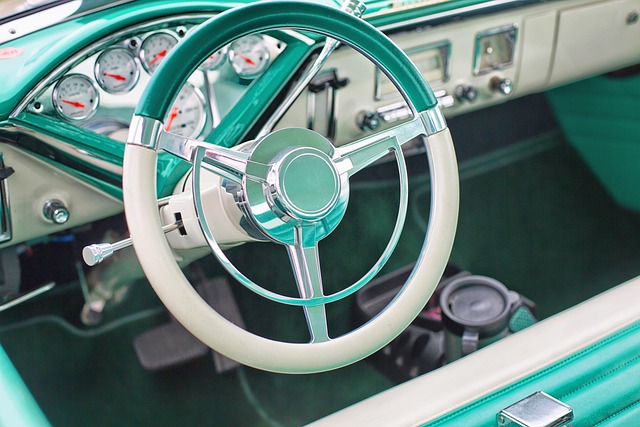
After completing your California car purchase, the next step is to receive your vehicle’s title and registration documents from the DMV (Department of Motor Vehicles). This crucial process ensures that you become the legal owner of the car and are eligible to register it for road use. The DMV will conduct a thorough vin verification, or vehicle identification number check, to ensure the car’s history aligns with the seller’s records. This step is vital in protecting you from potential fraud and ensuring you’re aware of any prior issues associated with the vehicle.
Once the initial inspection is cleared, the DMV will issue your car’s title, which serves as legal proof of ownership. Alongside this, you’ll receive a registration certificate, detailing the specifics of your vehicle, including its make, model, year, and unique VIN (Vehicle Identification Number). This process can typically be completed online or in-person at a local DMV office, with some facilities offering mobile vin verification services for added convenience. Mobile vin verificators provide an efficient alternative for those who prefer not to visit a DMV branch, allowing you to confirm your car’s authenticity from the comfort of your home.
In California, it is essential to keep these documents secure and updated. If you ever sell the vehicle or transfer ownership, you’ll need to update these records at the DMV. Moreover, regular maintenance of your registration ensures that your vehicle remains compliant with state regulations, avoiding any legal issues or penalties associated with unregistered vehicles. Examples of such penalties can include fines, impoundment, and difficulty in insuring the vehicle. Therefore, ensuring a smooth and accurate registration process from the start is beneficial to avoid these potential headaches down the line.
By meticulously following these steps, from gathering essential documents to successfully passing DMV VIN verification, you’ve now unlocked the path to legally registering your vehicle in California. This process ensures not only compliance with state regulations but also provides you with the necessary paperwork, including your car’s title and registration documents. Remember, a well-prepared application and accurate vehicle inspection are key to a seamless registration experience. With these insights, you’re equipped to navigate the process confidently, turning a potentially daunting task into a straightforward procedure.