

Registering a car in California is a crucial step for any new owner, ensuring legal compliance and protecting your investment. However, navigating the process can be cumbersome, with various requirements and paperwork involved. This comprehensive guide aims to demystify the procedure, offering expert insights on every step. From gathering essential documents to using reliable VIN verifier tools, we’ll ensure you’re prepared. By the end, you’ll have a clear understanding of how to register your vehicle smoothly and efficiently in the Golden State.
- Prepare Required Documents for Car Registration
- Verify Vehicle's VIN Using Online Tools
- Choose a California Motor Vehicle Office (MVO)
- Submit Application and Pay Fees for Registration
- Complete Post-Registration Steps and Obtain License Plate
Prepare Required Documents for Car Registration

Before you begin the car registration process in California, ensuring your paperwork is in order is paramount. One of the most crucial steps in this preparation is gathering all necessary documents, especially proof of ownership and vehicle identification number (VIN) verification. The VIN, a unique code that identifies your vehicle, is a critical piece of information for any registration. To streamline this process, consider utilizing a mobile VIN verifier—a digital tool that can swiftly and accurately pull up a vehicle’s history using its VIN. This modern approach, employing technology like mobile VIN inspection apps, offers convenience while ensuring the integrity of data.
For instance, many traditional methods involve visiting a DMV office or dealing with potentially lengthy paperwork. In contrast, a mobile VIN verification service allows you to conduct this check from virtually anywhere at your convenience. Simply input the VIN into an app-based platform, and within seconds, you’ll have access to detailed vehicle information, including its history of ownership, accident reports (if any), and more. This technology is particularly beneficial for California residents, as it can help avoid common issues like fraud or stolen vehicles during registration.
When preparing your documents, always include the official Vehicle Registration Application form obtained from the California DMV. Alongside this, you’ll need proof of insurance, a valid driver’s license, and, crucially, documentation confirming the vehicle’s VIN. Using a mobile VIN verifier to obtain this data is an efficient strategy, ensuring accuracy while saving time. Remember, registering your car in California involves adhering to stringent regulations, so meticulous preparation with up-to-date tools is essential for a smooth process.
Verify Vehicle's VIN Using Online Tools
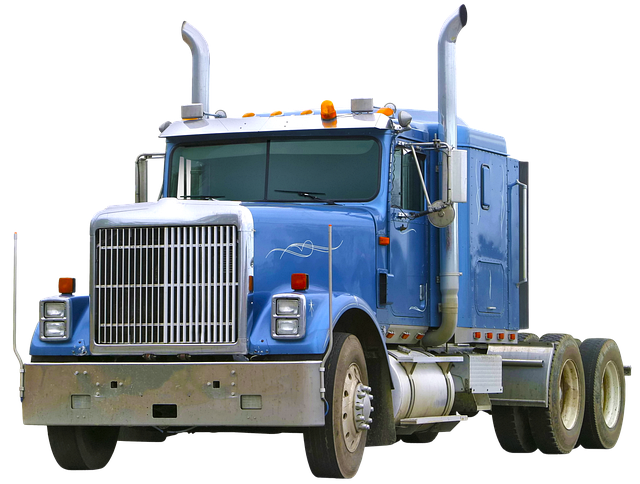
Verifying a vehicle’s Vehicle Identification Number (VIN) is a crucial step in the car registration process in California. This critical process ensures that the vehicle has been properly inspected and meets all safety standards before being allowed on public roads. Utilizing online VIN verifiers is an efficient way to confirm the authenticity of your vehicle’s identification. Many reputable services offer mobile VIN verification, allowing you to complete this task from the comfort of your home or even while you’re at a California DMV office.
Online VIN inspection tools provide a straightforward and fast method for verifying your car’s history. These digital platforms often require you to input your vehicle’s unique 17-character VIN code, after which they cross-reference it against extensive databases. This process can reveal detailed information, including the manufacturer, model year, and specific features of your car. For instance, some verifiers may even alert you to recall notices or help determine the market value of the vehicle, making this step beneficial for both buyers and sellers.
A mobile VIN verifier app can be particularly handy if you’re in a rush or prefer digital solutions. These apps offer real-time access to your car’s history, allowing you to address any potential issues before registration. For instance, imagine discovering that your vehicle has been involved in previous accidents or identifying missing maintenance records early on. Such insights empower you to make informed decisions and ensure the registration process goes smoothly. By utilizing these modern tools for VIN verification, California residents can rest assured their vehicles meet the necessary standards, ultimately enhancing road safety.
Choose a California Motor Vehicle Office (MVO)

Choosing the right California Motor Vehicle Office (MVO) is a crucial step in registering your vehicle smoothly and efficiently. California has several MVOs spread across the state, each offering various services including registration, titling, and license plate issuance. For instance, if you’re based in Los Angeles, consider offices like the California Department of Motor Vehicles (DMV) or local county clerk’s offices. These offices are well-equipped to handle a high volume of transactions, ensuring quick processing times.
When selecting an MVO, especially for those who reside in urban areas with dense populations, consider using a mobile VIN verifier or performing a VIN inspection online before visiting. This step can save significant time and hassle. A mobile VIN verification service allows you to check your vehicle’s history remotely, confirming its authenticity and previous ownership details. This is particularly useful when buying a used car, as it provides peace of mind and helps prevent potential fraud. For instance, according to the DMV, over 80% of California residents now opt for online services, reflecting a growing trend towards digital solutions.
Alternatively, some MVOs offer dedicated mobile units for VIN inspection, bringing their services directly to you. This is ideal for those who have difficulty visiting an office or prefer the convenience of having the process come to them. These mobile services can be especially beneficial in rural areas where access to physical MVOs may be limited. Ensure that whichever method you choose aligns with California’s requirements and provides accurate, up-to-date information through reliable channels.
Submit Application and Pay Fees for Registration

After gathering all the required documents and ensuring your vehicle meets California’s registration standards, it’s time to submit your application and pay the necessary fees. This step is crucial in the car registration process, as it finalizes your vehicle’s legal status in the state. The process involves several key elements, including completing an application form, providing proof of insurance, and paying the registration fee, which may vary based on your vehicle’s type and age.
When submitting your application, ensure all information is accurate and matches the details of your vehicle, such as the Vehicle Identification Number (VIN). Utilizing a mobile VIN verifier can help streamline this process by confirming key vehicle data, including its history and current status. This technology allows for efficient and secure verification, which is especially beneficial when navigating complex paperwork. For instance, many California Department of Motor Vehicles (DMV) services now offer online or mobile options for submitting applications, making the process more accessible and user-friendly.
Along with your application, you’ll need to present proof of insurance, which demonstrates financial responsibility and covers potential liabilities associated with operating a motor vehicle on public roads. Fees vary based on factors like vehicle age and type, so be prepared with exact payment methods accepted by the DMV, such as credit cards or personal checks. Consider using a mobile VIN inspection service to quickly verify your vehicle’s eligibility for registration and avoid any potential delays caused by inaccurate information.
Complete Post-Registration Steps and Obtain License Plate

After successfully registering your vehicle with the California Department of Motor Vehicles (DMV), there are crucial post-registration steps to complete to ensure a smooth ownership experience. One of the most important is obtaining your license plate, which serves as both identification and a visual representation of your legal status on the road. This process involves several key actions.
First, you’ll need to schedule an appointment at a DMV field office for license plate issuance. During this visit, bring all required documents, including proof of registration and insurance. A DMV official will inspect your vehicle’s Vehicle Identification Number (VIN) using a mobile VIN verifier—a convenient tool that ensures the accuracy of your car’s identification—to verify its authenticity and history. This step is vital for preventing fraud and ensuring compliance with California’s vehicle regulations. Once your VIN inspection is complete, you’ll be ready to choose and receive your license plate.
Consider the benefits of a mobile VIN verification service, which allows for a swift and precise check during registration or when transferring ownership. Many services offer this functionality directly through their apps, making it easier than ever to navigate California’s vehicle registration process. By following these comprehensive steps and utilizing available technology like mobile VIN verifiers, you’ll efficiently complete the post-registration process and hit the road with confidence.
By meticulously preparing required documents, verifying your vehicle’s VIN using reliable online tools, and strategically choosing a California Motor Vehicle Office, you streamline the car registration process. Submitting the application with accurate information and timely payment ensures a smooth experience. Completing post-registration steps, including obtaining license plates, finalizes your vehicle’s legal status in the state. Utilizing a VIN verifier is crucial for this process, ensuring accuracy and efficiency throughout. Armed with these key insights, you’re now equipped to navigate California’s car registration requirements with confidence and authority.