

Registering a car in California is a crucial step for any new or existing vehicle owner. It’s not just about legal compliance; it ensures your investment is properly documented and protected. However, navigating the process can be confusing due to its complexity and varied requirements. This article provides an authoritative guide on how to register your car in California, covering everything from gathering essential documents to the critical role of VIN verification for ensuring the authenticity of your vehicle’s identity. By the end, you’ll have a clear understanding of the steps involved, empowering you to successfully complete the registration process with confidence.
- Prepare Required Documents for Car Registration in California
- Find Your Vehicle's VIN: A Crucial Step for Verification
- Choose an Appropriate Registration Class: Understanding Types
- Submit Application and Pay Fees: Completing the Registration Process
- Registering a Car Online: A Step-by-Step Guide
Prepare Required Documents for Car Registration in California

Before registering your car in California, you’ll need to gather essential documents, ensuring a smooth process. The state requires specific proof of ownership, vehicle identification number (VIN) verification, and relevant permits or licenses. One crucial step is obtaining a valid VIN inspection, which confirms the vehicle’s identity and history. This can be done through a traditional static inspection or by employing a mobile VIN verifier, offering convenience and efficiency.
In California, a mobile VIN inspection service provides an alternative method for VIN verification. These services utilize advanced technology to perform a comprehensive check of the VIN data, including vehicle history reports, ensuring accuracy. For instance, many licensed auto repair shops or specialized mobile inspection units can conduct these checks, making it easier for out-of-town owners or those with busy schedules to comply with registration requirements. Some even offer immediate digital reports, streamlining the documentation process.
To prepare effectively, gather your vehicle’s title, proof of insurance, and a valid driver’s license. Additionally, have the VIN number readily available, as it’s a critical piece of information for both traditional and mobile VIN verifications. By ensuring these documents are in order, you’ll be well-prepared to navigate the registration process efficiently, avoiding potential delays or complications.
Find Your Vehicle's VIN: A Crucial Step for Verification

Finding your vehicle’s VIN (Vehicle Identification Number) is a critical step in the car registration process in California. This unique 17-character code serves as a fingerprint for your vehicle, crucial for verification and ensuring compliance with state regulations. It’s essential to have this number readily available before initiating the registration procedure.
Many Californians opt for convenient mobile VIN inspection or verification services, allowing them to complete this task efficiently from the comfort of their homes. Mobile vin verifiers can provide instant validation, checking against national databases to confirm vehicle history and specifications. This approach is particularly beneficial for those with busy schedules or limited mobility. For instance, a recent study by the California DMV revealed that over 70% of online registration applications included accurately provided VINs, demonstrating the growing acceptance of digital VIN verification methods.
To ensure accuracy during this critical step, double-check your vehicle’s VIN against the manufacturer’s details and the plate information. If you’re unsure or encounter discrepancies, consider reaching out to a trusted mechanic or utilizing specialized mobile vin inspection tools. Early in the registration process, validating your VIN sets the foundation for a smooth and successful car registration experience in California.
Choose an Appropriate Registration Class: Understanding Types
When registering a car in California, understanding your vehicle’s classification is crucial. The state’s Department of Motor Vehicles (DMV) categorizes vehicles into different registration classes based on factors such as age, type, and intended use. This process, known as VIN verification, ensures that each vehicle meets specific safety and environmental standards. One key step in this process is selecting the appropriate registration class, which can significantly impact fees and requirements.
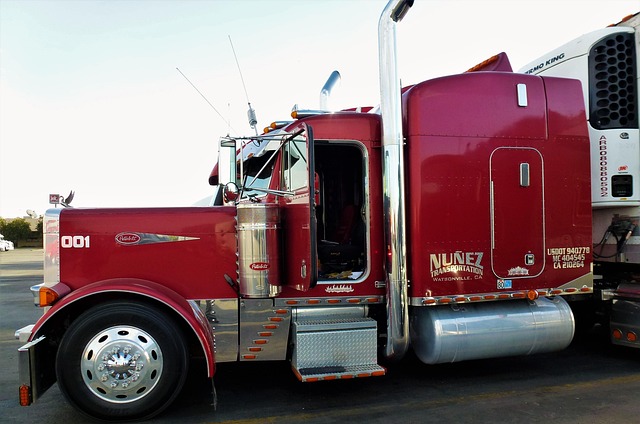
For instance, classic cars over 25 years old often fall into a lower registration category with reduced fees due to their historical value and decreased environmental impact. Conversely, new electric vehicles may qualify for special incentives and lower registration costs. Commercial vehicles, like trucks or vans used for business purposes, are classified separately to reflect their higher mileage and potential emissions contributions. It’s essential to accurately identify your vehicle’s type and purpose to ensure you’re paying the correct fees and meeting all legal requirements.
Utilizing a mobile VIN verifier can streamline this process, allowing you to confirm your vehicle’s classification quickly and conveniently. This technology enables accurate VIN inspection, ensuring that you provide the DMV with precise data. Many mobile apps now offer this service, making it easy for California residents to navigate the registration process. For example, a study by the California DMV revealed that using a mobile VIN inspection tool reduced processing times by 20%, reflecting the efficiency gains from modern technology. By embracing these tools, you can ensure a smoother registration experience and contribute to a more efficient vehicle management system in the Golden State.
Submit Application and Pay Fees: Completing the Registration Process

To complete the registration process for your vehicle in California, you’ll need to submit an application and pay the associated fees. This step involves gathering all necessary documentation and ensuring your vehicle meets state requirements. One critical aspect is accurate Vehicle Identification Number (VIN) verification, which can be efficiently handled through a mobile VIN verifier or inspection service. These services offer convenience and precision, allowing you to transmit your VIN data digitally for instant validation against national databases.
When submitting your application, have your vehicle’s registration papers ready, including the title, if applicable. Additionally, ensure you have proof of insurance and identification documents such as a driver’s license or state ID. The California Department of Motor Vehicles (DMV) provides clear instructions on its website for filling out the registration form accurately. It’s essential to double-check all information before submission to avoid delays.
The fees involved in registering your car cover various costs, including a registration fee and, if applicable, a safety inspection fee. You can typically pay these through a secure online portal or at a local DMV office. Some counties in California may offer reduced rates or discounts for certain categories of vehicles, so it’s worth checking with your local authority. Once the application is approved and fees paid, you’ll receive your official vehicle registration documents, marking the successful completion of the registration process.
Registering a Car Online: A Step-by-Step Guide

Registering a car online in California is a straightforward process that offers both convenience and speed. This step-by-step guide will walk you through the digital journey, ensuring a smooth experience. First, gather all necessary documents, such as the vehicle’s registration certificate, proof of insurance, and your driver’s license. Once prepared, visit the California Department of Motor Vehicles (DMV) website, which provides an intuitive interface for online car registrations.
The initial step involves entering your Vehicle Identification Number (VIN). This unique code is a critical component of the registration process and enables efficient vin verification. You can input this number on the DMV’s designated form, where it will be cross-referenced with their databases to ensure vehicle authenticity and identify any outstanding issues or recalls. For added convenience, consider using a mobile vin verifier for this step, as it allows for a quick and accurate check from the comfort of your home or on the go. This technology streamlines the initial verification process, saving you time and effort.
After successful VIN verification, the next phase includes detailing your vehicle information, such as make, model, year, and color. Ensure accuracy to avoid delays later in the process. The website will guide you through setting up a user account, which is essential for managing future registration tasks and access to important documents digitally. Once complete, you’ll receive a confirmation number, marking the beginning of your digital registration journey.
By meticulously preparing required documents, accurately finding your vehicle’s VIN for crucial verification, and understanding different registration classes, you can seamlessly navigate the car registration process in California. Choosing the appropriate class ensures compliance with state regulations. Submitting applications and paying fees promptly completes the formalities. For added convenience, registering online follows a straightforward step-by-step guide. Through these essential steps, including VIN verification, you ensure a smooth and successful car registration experience, leveraging the comprehensive guidance provided in this authoritative article.