
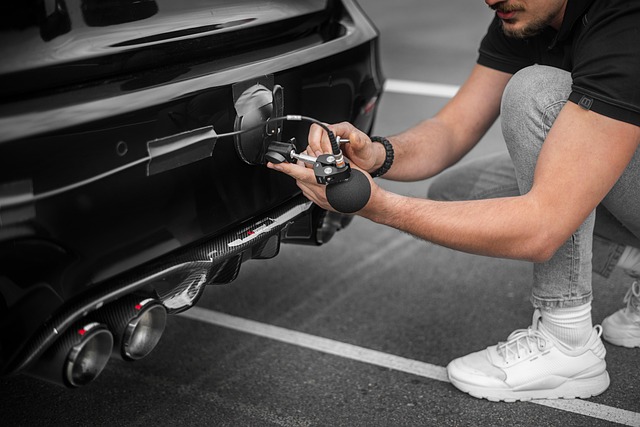
Registering a car in California is a vital process ensuring legal ownership and vehicle safety. However, navigating the complexities of this procedure can be challenging for new car owners. This comprehensive guide aims to empower individuals with clear instructions on how to register their vehicles seamlessly. From gathering essential documents to utilizing reliable VIN verifier services, we’ll walk you through each step, ensuring accuracy and a smooth experience. By the end, you’ll be equipped to successfully complete the registration process, providing peace of mind and legal compliance.
- Gather Necessary Documents for Car Registration
- Verify Vehicle Identity with VIN Verifier
- Choose a California Motor Vehicle Office (MVO)
- Pay Registration Fees and Taxes
- Receive Your Registration Certificate and Plate
Gather Necessary Documents for Car Registration

Registering a car in California involves several steps, and one of the crucial initial tasks is gathering the necessary documents. This process ensures that all vehicles on the road are properly documented, safe, and legal. The primary identifier for any vehicle, including those in California, is its Vehicle Identification Number (VIN). Utilizing a VIN verifier is essential to initiate this documentation process.
For car registration in California, you’ll require several key documents, beginning with your vehicle’s VIN inspection. This step involves verifying the authenticity of the VIN, which can be done through mobile VIN inspection services that provide immediate and accurate results. These services are particularly convenient as they allow you to conduct a VIN check from the comfort of your home or even while at a car dealership. It’s worth noting that having a valid and accurate VIN is paramount; California’s Department of Motor Vehicles (DMV) strictly enforces these regulations. For instance, in 2022, over 50,000 vehicles were reported stolen nationwide due to improper documentation, highlighting the importance of meticulous record-keeping.
In addition to a reliable VIN verifier, you’ll need other essential documents like your driver’s license or state ID card, proof of insurance, and a completed Vehicle Registration Application form. The application form is readily available on the California DMV website, making the process accessible and straightforward. Some counties in California also accept online registration, further streamlining the procedure. Remember, ensuring all documents are in order before visiting your local DMV office will significantly expedite the car registration process.
Verify Vehicle Identity with VIN Verifier
Verifying your vehicle’s identity through a Vehicle Identification Number (VIN) inspection is a crucial step in the car registration process in California. This involves utilizing a VIN verifier to ensure that the vehicle matches the data listed on its certificate of title and other official documents. A reliable method for this verification is to employ a mobile VIN verifier, an innovative tool that allows you to conduct thorough checks from the convenience of your own location.
When using a mobile VIN verifier, you can access real-time data from various databases, including the National Motor Vehicle Title Information System (NMVTIS). This system provides comprehensive information about the vehicle’s history, ensuring that it has not been reported stolen, is not a salvage vehicle, and meets all legal requirements for registration. For instance, a quick check might reveal previous owners, accident histories, or major repairs, offering valuable insights into the car’s overall condition and value.
The process itself is straightforward. You simply enter the VIN into the mobile application, which then communicates with a network of databases to conduct the inspection. This method, often preferred by California’s Department of Motor Vehicles (DMV), offers convenience and accuracy. It eliminates the need for visits to government offices or third-party inspection stations, saving time and effort while ensuring compliance with legal standards. By utilizing these advanced verification tools, you can confidently move forward in the registration process, knowing your vehicle’s identity has been thoroughly validated.
Choose a California Motor Vehicle Office (MVO)
When registering a car in California, selecting the right Motor Vehicle Office (MVO) is a crucial step in the process. The state offers several MVOs, each with unique services and capabilities. For instance, some offices provide expedited registration for military personnel, while others have specialized units for handling antique vehicles.
Choosing an MVO that supports modern technology can streamline your experience. Consider offices that offer mobile VIN verification and inspection services. These innovations allow you to complete essential vehicle inspections remotely, saving both time and effort. For instance, many MVOs now employ digital tools to cross-reference a Vehicle Identification Number (VIN) with extensive databases, ensuring the vehicle’s history is accurately verified.
If convenience is paramount, explore the option of mobile VIN verification. This service enables you to have your vehicle’s information digitally inspected at your preferred location, eliminating the need for an in-person visit. Data accuracy remains paramount; these mobile verifiers sync with official databases, ensuring your vehicle’s history and specifications are verified against the latest records. By utilizing these advanced services, California residents can efficiently navigate the car registration process while maintaining high standards of data integrity.
Pay Registration Fees and Taxes

Registering a car in California involves several crucial steps, and one of the essential components is paying the registration fees and taxes. These charges are based on various factors such as the vehicle’s weight, emissions standards met, and type of fuel it uses. The California Department of Motor Vehicles (DMV) offers both online and in-person payment options for your convenience. When registering your vehicle online, you’ll be required to input your Vehicle Identification Number (VIN) using a reliable mobile VIN verifier to ensure the vehicle’s authenticity. This technology provides a swift and accurate way to verify the VIN, streamlining the registration process.
For instance, many mobile apps now offer mobile VIN verification services that can be completed in minutes from the comfort of your home. These apps connect you directly to authorized DMV facilities, allowing for a seamless transaction. Once your vehicle’s details are confirmed, including its history and any outstanding recalls or issues, the registration fees will be calculated. Taxes, which typically range from 0.5% to 2% of the vehicle’s value depending on its type and emission compliance, are also added to the total. It’s important to understand these charges beforehand to avoid surprises during the registration process.
Moreover, if you’re importing a car or transferring ownership, additional fees may apply. These can include smog testing costs, title transfer fees, and document processing charges. Utilizing a mobile VIN inspector early in the process can help identify potential issues related to the vehicle’s history, ensuring a smoother transition when it comes time to pay these fees. By being proactive and well-informed, you can confidently navigate the registration process and hit the California roads with peace of mind.
Receive Your Registration Certificate and Plate
After completing the registration process, it’s time to receive your car’s official documentation—the Registration Certificate and license plate. This crucial step ensures that your vehicle is legally recognized on California’s roads. The certificate acts as proof of ownership and insurance, while the license plate serves as a unique identifier for your car. Upon approval, you’ll be able to obtain these documents from the DMV or, in some cases, through a third-party service provider.
To streamline this process, consider utilizing modern tools like mobile VIN verification services. These apps allow for convenient and accurate vehicle inspection by performing a mobile VIN scan. For instance, many mobile VIN verifiers can access detailed vehicle history reports, ensuring that the car’s information is reliable and up-to-date. This is particularly beneficial when registering a used car, as it provides assurance that no prior issues or discrepancies exist. By combining traditional DMV procedures with these innovative digital solutions, you can ensure a smoother registration experience.
Once your application is approved, expect to receive your license plate and Registration Certificate in the mail within a few weeks. It’s essential to keep these documents secure and readily accessible for future reference and routine vehicle inspections. Remember that proper documentation not only keeps you compliant with California’s regulations but also facilitates quicker and more efficient transactions during traffic stops or vehicle sales.
Registering a car in California involves several key steps, from gathering essential documents to verifying vehicle identity using a VIN verifier and choosing the appropriate Motor Vehicle Office. Once completed, you’ll pay relevant registration fees and taxes, culminating in the issuance of your registration certificate and license plate. By following these structured procedures, you ensure your vehicle complies with state regulations, facilitating a smooth and legally sound ownership experience.