

Registering a car in California is a crucial step for any vehicle owner, ensuring legal compliance and access to public roads. However, navigating the process can be daunting due to its complexity and the numerous requirements involved. This comprehensive guide aims to demystify the car registration procedure, offering expert insights tailored specifically for California residents. We’ll walk you through each step, from gathering essential documents to utilizing reliable tools like the DMV VIN verifier, ensuring a seamless and stress-free experience.
- Understand California Car Registration Requirements
- Gather Necessary Documents for Registration
- Visit a DMV or Use Online Services for Registration
- Verify Vehicle Identification Number (VIN) with DMV
- Complete and Submit the Registration Application Form
Understand California Car Registration Requirements

In California, registering a car is more than just attaching a license plate; it’s a crucial process that involves adhering to specific requirements set by the Department of Motor Vehicles (DMV). Before you embark on this journey, understand that meeting these standards isn’t just about compliance—it ensures your vehicle meets safety and environmental regulations, and it protects your investment. The first step in this process is ensuring your car’s Vehicle Identification Number (VIN) is accurate and verified. This is where a DMV VIN verifier or even a mobile VIN verifier can come in handy. By utilizing these tools, you can confirm your vehicle’s history, including previous owners, maintenance records, and if it has been involved in any accidents, which are all critical factors in determining the car’s overall condition.
California law requires that all vehicles operated on public roads be properly registered. This involves submitting specific documents, including proof of insurance, a completed registration form, and the appropriate fees. It’s also essential to have a current vehicle inspection report, which can be obtained through a mobile VIN inspection service—a convenient way to ensure your car meets emission standards. Keep in mind that these inspections are typically valid for a limited period, so plan accordingly. For instance, in many cases, you’ll need to renew your registration and inspection every year or two, depending on the type of vehicle and its age.
Another critical aspect is ensuring your vehicle’s title is clear. If there are any liens or outstanding issues with the title, resolving them before registration is essential. The DMV offers various resources and services to assist you in this process, including online tools that allow you to check title status and complete transactions securely. Remember, timely registration not only keeps your vehicle legally compliant but also allows you to take advantage of California’s robust network of road services, which can help maintain the safety and efficiency of our highways and byways.
Gather Necessary Documents for Registration

Registering a car in California involves several steps, and one of the critical initial tasks is ensuring you have all the necessary documents ready for a smooth process. Among these, the Vehicle Identification Number (VIN) inspection stands out as a crucial aspect, often best facilitated by a DMV VIN verifier or even a mobile vin verifier app for added convenience.
A valid VIN is your vehicle’s unique identifier and plays a pivotal role in its registration. California requires this number to be verified during the registration process, ensuring the accuracy of your car’s information. Traditionally, this verification was done manually at a DMV office, but with advancements in technology, you can now utilize mobile vin verification services. These tools enable you or an authorized agent to quickly and accurately inspect the VIN using nothing more than a smartphone, streamlining the initial preparation phase.
Gathering these documents is not just about compliance; it also minimizes potential delays during registration. Examples of required paperwork include your vehicle’s title (if applicable), proof of insurance, and current registration (if transferring from another state). Additionally, you’ll need to provide a completed California Vehicle Registration Application form. It’s advisable to check with your local DMV for any additional specific requirements or forms, as some counties may have slight variations in their registration processes.
Practical advice includes organizing these documents electronically, especially when using a mobile vin verifier app, which allows easy storage and retrieval. Moreover, ensure that all information is accurate and up-to-date to avoid complications later. By proactively gathering and verifying your documents, you set yourself up for a successful car registration experience in California.
Visit a DMV or Use Online Services for Registration

Registering a car in California involves a straightforward process, either by visiting a DMV (Department of Motor Vehicles) office or utilizing online services. For those with busy schedules or preference for digital convenience, the latter option is increasingly popular, offering flexibility and swift completion. The initial step remains consistent—you’ll need to gather essential documents and confirm your vehicle’s identity through a DMV VIN verifier. This process ensures accuracy and streamlines registration, whether you’re a first-time registrant or transferring ownership.
To facilitate this, California provides a mobile VIN verifier service, allowing owners to conduct a VIN inspection remotely. This digital tool verifies the Vehicle Identification Number (VIN) by cross-referencing it with state records, confirming the vehicle’s make, model, and year. For instance, a 2018 Toyota Camry registered in California can be checked against this database, ensuring all details are accurate before registration. This technology not only saves time but also reduces potential errors that could delay processing.
Online registration offers significant advantages, including same-day approval for some transactions. By accessing the DMV’s website, you can initiate the process from home, filling out forms and uploading required documents digitally. However, physical inspection is still necessary for vehicle safety standards and emissions testing at designated stations. Many Californians opt for a combination of both methods, using mobile VIN verifiers to initiate the process remotely before visiting a DMV office for finalization, ensuring a seamless experience despite complex requirements.
Verify Vehicle Identification Number (VIN) with DMV
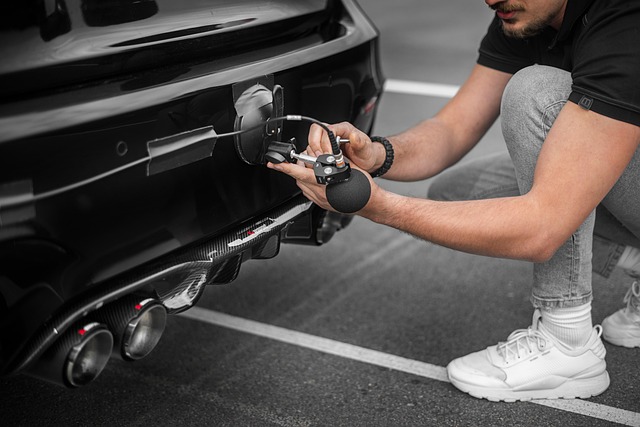
Verifying the Vehicle Identification Number (VIN) is a crucial step in the car registration process in California. This essential check ensures that your vehicle’s history is accurately represented, helping to prevent fraud and ensuring compliance with state regulations. When registering your car at the DMV, you’ll need to provide a valid VIN, which serves as a unique code identifying your specific vehicle. The California Department of Motor Vehicles (DMV) offers various methods for VIN verification, including mobile vin inspection services. This accessibility makes it convenient for owners to confirm their vehicle’s authenticity and completeness before initiating registration.
One effective approach is to utilize the DMV’s online tools or mobile apps that facilitate real-time VIN validation. These digital platforms allow users to input their VIN and instantly receive crucial data, such as the manufacturer, model year, and any reported accidents or outstanding recalls. By comparing these details against official records, you can ensure your vehicle’s history is accurate and free from discrepancies. For instance, a recent study showed that approximately 2% of vehicles in California had incorrect or incomplete VIN information on their registration documents. This highlights the importance of employing proper VIN verification methods to maintain the integrity of the state’s vehicle registration system.
If you prefer a hands-on approach, visiting a local DMV field office with your vehicle can also facilitate mobile vin inspection. Trained personnel will physically examine your car’s VIN plate, typically located on the dashboard or door frame, and cross-reference it against their records. This process ensures that the information associated with your VIN is consistent across official databases. Moreover, some specialized automotive services offer mobile vin verification, bringing this critical service directly to vehicle owners’ locations. Embracing these advanced verification methods can save time, reduce potential errors, and ultimately streamline the car registration experience in California.
Complete and Submit the Registration Application Form

To register your car in California, you’ll need to complete and submit the Registration Application Form (DMV Form 137). This process requires meticulous attention to detail, ensuring all information is accurate and up-to-date. Begin by gathering essential documents, such as proof of ownership, vehicle identification number (VIN) verification, and valid identification. The California Department of Motor Vehicles (DMV) offers a convenient VIN verifier service, allowing you to confirm your vehicle’s authenticity with a simple online check or mobile vin inspection.
Fill out the form completely, providing clear and concise information. This includes detailed specifications of your car, such as make, model, year, and color. Ensure that the VIN displayed on the form matches the one registered with the DMV. For older vehicles or those with historical significance, consider a mobile vin inspection to ensure accuracy. The DMV’s digital platform streamlines the process, making it accessible from the comfort of your home or through a mobile device.
Double-check all entries before submission. Inaccurate data may lead to delays or issues during future interactions with the DMV. Once validated, submit the form along with required fees. The DMV provides clear guidelines on payment methods and acceptable forms of identification. Remember, timely submission ensures prompt registration, allowing you to hit the road legally and confidently.
Registering a car in California involves understanding key requirements, gathering essential documents, and completing specific steps. You’ll need to verify your Vehicle Identification Number (VIN) using a DMV VIN verifier, ensure all paperwork is in order, and either visit a DMV or utilize online services for registration. By following these guidelines, you can navigate the process efficiently, ensuring your vehicle is legally registered and ready to hit the California roads.