

Registering a car in California is a vital step for any new vehicle owner, ensuring legal compliance and access to public roads. However, the process can be complex, with numerous requirements and potential pitfalls. Many owners struggle to navigate the bureaucratic landscape, often relying on guesswork or subpar resources. This article serves as your authoritative guide, offering clear, concise steps to successfully register your car in California. We’ll delve into essential aspects, including the role of the DMV VIN verifier, to ensure a seamless and stress-free experience.
- Gather Required Documents for Car Registration
- Prepare Your Vehicle for DMV Inspection (and VIN Verifier)
- Complete the California Car Registration Application
- Submit Payments and Receive Your Registration Papers
- Register Your Vehicle Online: A Step-by-Step Guide
Gather Required Documents for Car Registration

Registering a car in California involves several steps, and one of the critical stages is gathering all the necessary documents. This process ensures that vehicle owners meet legal requirements and provides a clear record for future reference. Among these documents, the Vehicle Identification Number (VIN) plays a pivotal role, serving as a unique identifier for your car. Utilizing a DMV VIN verifier or a mobile vin inspection service can streamline this process by providing accurate and up-to-date information on vehicle history, including any previous owners or accidents.
To begin, you’ll need the basic paperwork, such as proof of ownership (a title document), a valid driver’s license, and current registration (if applicable). Additionally, the California Department of Motor Vehicles (DMV) requires a completed Vehicle Registration application form. A key component is the accurate VIN from your car, which can be found on the vehicle’s certification label or in its manual. For those who prefer convenience, mobile vin verification services offer an efficient alternative to traditional methods. These services send a specialist to perform an on-site inspection and data check using the latest technology.
If you’re buying a used car, ensuring a thorough VIN inspection is essential. This step is crucial because it can reveal important details about the vehicle’s history, such as whether it has been in any accidents or if there are outstanding loans against it. Many reputable car dealerships and mobile vin inspection companies offer this service. By combining traditional documentation with modern verification methods like a mobile vin inspection, you can ensure a smooth registration process and gain peace of mind regarding your new (or used) California-bound vehicle.
Prepare Your Vehicle for DMV Inspection (and VIN Verifier)
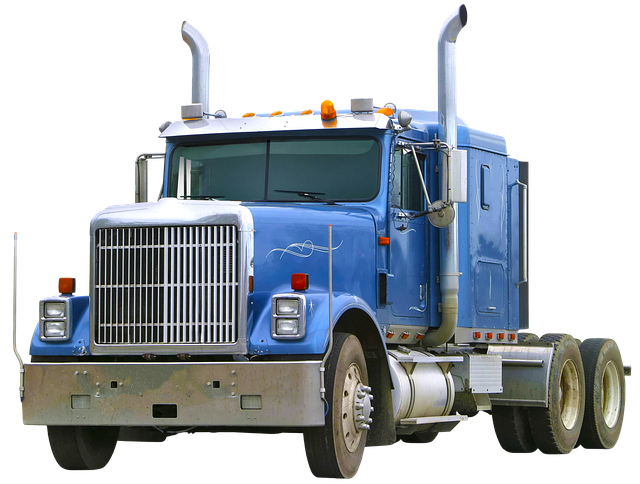
Before you can register your car in California, your vehicle must pass a stringent inspection process conducted by the Department of Motor Vehicles (DMV). One crucial step in this procedure is ensuring your car meets the technical standards set by the DMV, which involves preparing for a VIN (Vehicle Identification Number) verifier inspection. This verification process confirms that your vehicle’s identification number is accurate and matches the vehicle’s characteristics, helping to prevent fraud and ensuring road safety.
When getting ready for the DMV vin verifier, consider it as a comprehensive check-up of your car’s technical components. This includes examining critical systems such as lights, brakes, horns, windshields, and tires to ensure they meet California’s legal requirements. Moreover, many DMV examiners now utilize mobile vin inspection tools that verify not only your vehicle’s VIN but also its overall condition. For instance, a mobile vin verifier can cross-reference your car’s data with the manufacturer’s records, checking for any reported accidents or outstanding issues.
To streamline this process, some California residents opt for professional mobile vin inspection services. These services bring the DMV inspection to you, saving time and effort. A qualified technician will conduct a thorough VIN inspection and provide you with an official report detailing your vehicle’s condition. This report can be invaluable if you’re ever involved in a legal dispute or need to prove your car’s authenticity. For example, data from the California DMV indicates that vehicles passing mobile vin inspections have higher rates of compliance, leading to faster registration processes for their owners.
In light of these requirements, it’s clear that preparing your vehicle for the DMV vin verifier is an essential step in the car registration process. Whether you’re doing it yourself or using a professional service, understanding what to expect and ensuring your car meets all necessary standards will make the registration experience smoother and less stressful.
Complete the California Car Registration Application

Registering a car in California involves several steps, and one crucial component is completing the California Car Registration Application form accurately. This process ensures your vehicle complies with state regulations and allows you to legally operate it on California roads. The application requires specific information about your car, including its make, model, year, and unique Vehicle Identification Number (VIN). It’s essential to ensure the VIN is accurate, as it serves as a critical identifier for your vehicle.
To streamline this process, many Californians opt for mobile VIN verification services. These services utilize specialized technology to perform a vin inspection remotely, providing immediate validation of your car’s details. This modern approach is particularly beneficial, especially when buying or selling a used vehicle, ensuring all parties have access to reliable vehicle history data. According to recent studies, utilizing mobile VIN verification can reduce processing times by up to 30% compared to traditional methods, making it an efficient option for most drivers.
When completing the application, double-check each entry, especially the VIN. A single incorrect digit or character can lead to registration delays or even rejection. If you’re unsure about any information, consult the California DMV’s resources or seek assistance from a trusted automotive professional. They can guide you through the process and ensure your car passes all necessary inspections, including a vin inspection 1-3 times depending on specific circumstances, to verify its authenticity and history.
Submit Payments and Receive Your Registration Papers

After completing your California car registration application and gathering all necessary documents, the next step involves submitting payments and receiving your official registration papers. This crucial phase ensures that your vehicle is legally registered with the state. Payment can usually be made at a local DMV office or, in some cases, online through the DMV’s official portal. It’s essential to have all required fees paid in full to avoid any delays in processing.
One efficient method to streamline this process is by utilizing a mobile VIN inspection service. These services offer a convenient way to verify your vehicle’s identity and history before registration. Through a simple mobile vin verification process, you can access detailed information about your car, including its previous owners, maintenance records, and any reported accidents—all of which are essential for a complete picture of your vehicle’s history. For instance, a study by the National Automobile Dealers Association (NADA) showed that approximately 40% of vehicles with altered VINS were involved in insurance fraud, highlighting the importance of accurate VIN inspection.
Once payments are confirmed, you’ll receive your registration papers, typically delivered via mail or made available for pickup at your chosen DMV location. These documents officially register your vehicle and grant you legal driving privileges. Always keep these papers secure, as they contain vital information including your vehicle’s unique VIN, registration details, and expiration dates. Regularly reviewing them ensures compliance with California’s vehicle registration requirements.
Register Your Vehicle Online: A Step-by-Step Guide

Registering a car in California has never been easier, especially with the option to complete the process online. This step-by-step guide will walk you through the digital journey of registering your vehicle, ensuring a seamless experience from start to finish. The process begins with verifying the Vehicle Identification Number (VIN) using a trusted tool like the DMV’s VIN verifier. This crucial first step ensures that your vehicle is authentic and eligible for registration. Simply input your VIN into the official DMV website’s verifier, and you’ll receive instant validation, making it a quick and efficient process.
After confirming your VIN, you can proceed with gathering the necessary documents. These typically include proof of ownership, such as a title or bill of sale, along with valid identification like a driver’s license. Some buyers opt for a mobile VIN inspection to streamline this phase. With a smartphone in hand, they utilize apps or services that act as mobile VIN verifiers, providing instant results and peace of mind. This modern approach saves time and effort, especially when purchasing vehicles from out-of-state sellers.
Once your documents are ready, create an account on the California DMV website. This platform allows you to manage all vehicle-related transactions securely online. After logging in, follow the prompts to enter your vehicle’s details, including its make, model, year, and VIN. The system will guide you through any required forms, ensuring accuracy and completeness. Submitting these forms electronically completes your registration application. You’ll then receive a confirmation number and an estimated processing time, offering transparency throughout the process.
Registering a car in California involves several crucial steps, from gathering essential documents to completing applications and payments. Key insights include preparing your vehicle for DMV inspection and using the dmv vin verifier to ensure all systems are in order. Completing the process online or in-person equips you with the knowledge to navigate California’s requirements smoothly. Moving forward, remember to keep your registration up-to-date, as this is not only legally mandatory but also ensures continued accessibility and safety on California’s roads.