
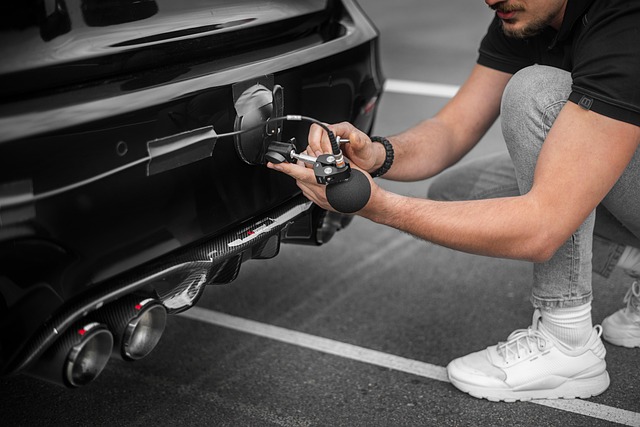
Registering a car in California is a necessary step for any new owner, but it can be a confusing process, filled with bureaucratic hurdles. Understanding the correct procedures ensures smooth ownership transition and compliance with state laws. This article guides you through the intricate steps of registering your vehicle, from gathering essential documents to completing the DMV VIN verification. By following these straightforward instructions, you’ll navigate this process with confidence, ensuring a seamless experience as you hit the open road legally and securely.
- Gather Necessary Documents for Car Registration
- Prepare Your Vehicle for DMV Inspection (including VIN Verification)
- Understand California Car Registration Fees and Requirements
- Submit Application & Required Forms at the DMV
- Receive Your Certificate of Registration & License Plate
Gather Necessary Documents for Car Registration

To register your car in California, you’ll need to gather several key documents, ensuring a smooth and efficient process. Among these, the Vehicle Identification Number (VIN) verification is a crucial step, which can be conveniently completed through the California Department of Motor Vehicles’ (DMV) online services or by utilizing mobile VIN verification tools. This process confirms the vehicle’s authenticity and history, vital for safety and regulatory compliance.
For instance, when conducting a VIN inspection, you may uncover important information such as the car’s previous owners, accident history, or if it has been recalled. The DMV recommends performing this check at least once during the registration process, ensuring all details are accurate. Mobile VIN verifiers offer an added convenience, allowing you to perform this verification from the comfort of your home or even while on the go, using just your smartphone. This modern approach aligns with California’s commitment to streamlining vehicle registration services.
In addition to the VIN verification, other essential documents include proof of identity and residency. This might comprise a valid driver’s license, state-issued ID card, or passport for identification, along with recent utility bills or lease agreements as proof of California residency. It is important to bring these documents to your nearest DMV office or have them readily available during the registration process, whether you opt for in-person service or leverage mobile VIN verification tools beforehand. Properly preparing these documents can significantly expedite the car registration process in California.
Prepare Your Vehicle for DMV Inspection (including VIN Verification)

Before you can register your car in California, it’s crucial to ensure your vehicle meets the state’s safety and emissions standards. One critical step in this process is DMV vin verification, which verifies the Vehicle Identification Number (VIN) of your car. This inspection ensures that your vehicle’s VIN matches the records on file with the Department of Motor Vehicles (DMV). Many California residents opt for a mobile vin verifier to streamline this process. These services send a technician to your location, performing the vin inspection right there, saving you time and effort.
During the DMV vin verification, the inspector will check various components of your car, including lights, brakes, tires, and safety features. They’ll also inspect the VIN plate, which is typically located on the vehicle’s frame or under the hood. It’s important to address any issues identified during this inspection before proceeding with registration. Failure to do so could delay or even prevent the registration process from completing successfully.
For instance, data from the California DMV shows that approximately 20% of vehicles failing their initial inspection require significant repairs related to safety and emissions systems. To avoid these delays, it’s recommended to prepare your vehicle for inspection by conducting a pre-check of all critical systems. This proactive approach can help ensure a smooth registration process and get you back on the road promptly.
Understand California Car Registration Fees and Requirements

Registering a car in California involves understanding both state laws and specific requirements from the Department of Motor Vehicles (DMV). One crucial aspect to grasp is the fee structure and documentation needed. The process starts with ensuring your vehicle meets safety standards, including a valid emissions test, which can often be completed at certified stations across the state.
California car registration fees vary based on several factors such as vehicle type, age, and emission standards. For example, standard registration fees for passenger cars range from approximately $50 to over $200, with surcharges for late renewal or specific environmental considerations. Additionally, there might be local taxes and fees added by cities or counties, which can further impact the overall cost. It’s essential to factor in these variables when preparing for car registration expenses.
A key component of the California DMV process is Vehicle Identification Number (VIN) verification. This step ensures the vehicle’s uniqueness and authenticity, a critical element in preventing fraud. You can complete this through traditional methods by visiting a DMV office or opt for more convenient mobile VIN verification services that offer on-site inspections at your convenience, sometimes even during your initial registration appointment. For instance, some companies provide mobile VIN inspection services 1-2 times per week in various locations across California, making it easier for residents to meet this requirement.
Remember, accurate and timely documentation is vital throughout the car registration process. Keep records of all fees paid, inspection results, and any corresponding receipts or confirmations from the DMV or authorized inspectors. These documents can help streamline future registrations and ensure compliance with California’s regulations.
Submit Application & Required Forms at the DMV

To register your car in California, you must submit the necessary application and required forms at the Department of Motor Vehicles (DMV). This crucial step involves several key components to ensure a smooth process. The first requirement is to obtain a Vehicle Identification Number (VIN) verification, which can be done through a mobile VIN verification service or by visiting a DMV office for an in-person inspection. It’s important to note that the DMV offers both online and in-person options for submission, allowing you to choose the method most convenient for your schedule.
When submitting your application, ensure all documents are accurate and up-to-date. This includes providing proof of ownership, such as a bill of sale or previous registration, along with valid identification like a driver’s license. Additionally, you’ll need to present proof of insurance, which demonstrates compliance with California’s minimum liability requirements. If you’ve recently purchased your vehicle, the seller might provide a temporary registration or a Vehicle History Report, which can facilitate the process by showcasing the car’s previous maintenance and ownership details.
For those opting for mobile VIN verification, several reputable services offer convenient solutions. These services send a licensed inspector to your location to conduct a thorough inspection of your vehicle, including checking the VIN. This method is particularly beneficial for folks with busy schedules or those who prefer not to visit a DMV office. After successful inspection, these professionals will provide you with the necessary documentation required for registration, ensuring a seamless transition without compromising accuracy.
Receive Your Certificate of Registration & License Plate

Upon completing your car’s registration process at the California Department of Motor Vehicles (DMV), the next step is to receive your Certificate of Registration and License Plate. This crucial phase ensures that you’re legally recognized as the owner of the vehicle and aids in identifying it on California roads. The certificate, often referred to as a registration card, serves as official documentation, detailing vital information about your car—including its unique Vehicle Identification Number (VIN). It’s paramount to verify this VIN through a reliable method, such as using a mobile vin verifier or undergoing a mobile vin inspection.
The DMV offers various options for obtaining these essential documents. Traditionally, you’d visit a local DMV office, fill out the required forms, and present necessary documentation. However, California has embraced modern solutions, allowing for more convenience and efficiency. One innovative approach is leveraging mobile vin verification services, which enable you to confirm your vehicle’s identity remotely. This method not only saves time but also enhances security by reducing potential errors or fraud during the initial registration.
Once your VIN is verified, a certified copy of the Certificate of Registration will be generated. Simultaneously, you’ll receive your license plate—a physical representation of your vehicle’s official identification. Properly displaying this license plate is not just a legal requirement but also facilitates easy recognition of your car by law enforcement and other drivers. Ensure accurate placement and readability to avoid any issues during routine traffic stops or future registration renewals. Remember, proper documentation and adherence to procedures are key to seamless car ownership in California.
By meticulously following these steps, from gathering essential documents to completing the DMV VIN verification process, you can ensure a smooth car registration experience in California. Understanding the fee structure and requirements beforehand empowers you to avoid delays or additional charges. Submitting your application at the DMV involves careful attention to detail, ensuring all forms are correctly filled out. Upon receipt of your Certificate of Registration and license plate, your vehicle will be officially registered, allowing you to hit the road with confidence. This guide provides a comprehensive roadmap for navigating California’s car registration process, offering practical insights that cater to both first-time and experienced vehicle owners.